
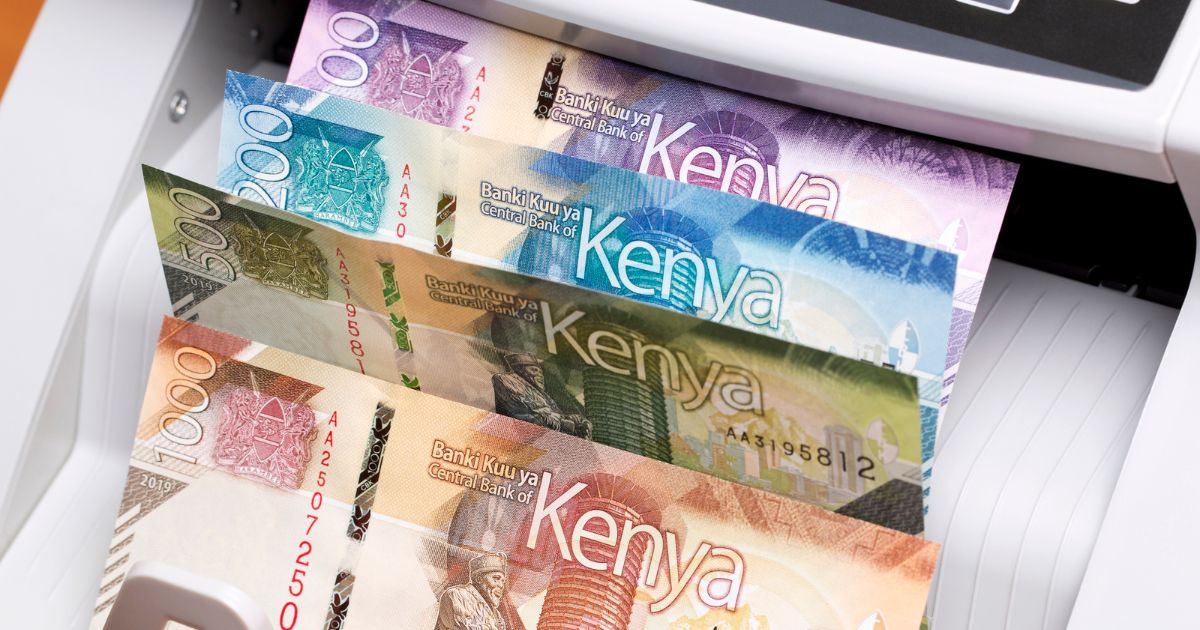
Kenya offers several investment opportunities for young people, ranging from money market funds and government securities to shares, cooperative savings and property investment trusts. These options differ in their starting capital, risk, accessibility and potential returns.
Some investments generate interest, others pay dividends, while certain assets increase or decrease in market value. Kenya's Capital Markets Authority (CMA), Central Bank of Kenya (CBK), Nairobi Securities Exchange (NSE) and other financial institutions oversee different parts of the investment market.
Below are ten investment options available in Kenya, including their basic features, entry requirements and risks.
1. Money Market Funds
Money market funds are collective investment schemes that pool investors' money and place it in relatively short-term financial instruments, including government securities and bank deposits.
In Kenya, money market funds are managed by licensed fund managers and regulated by the Capital Markets Authority.
Several funds have relatively low minimum investment amounts, although the actual minimum varies by provider. Some accept initial contributions of approximately KSh 100 to KSh 1,000.
Returns depend on the fund's investments, management fees and prevailing interest rates. Money market funds are generally considered lower-risk than shares, but returns are not guaranteed, and withdrawal processing times differ.
2. Treasury Bills
Treasury bills are short-term government debt securities issued through the Central Bank of Kenya.
The Kenyan government commonly issues Treasury bills with maturities of 91, 182 and 364 days. Investors purchase these securities and receive their face value at maturity, with the difference representing the investment return before applicable taxes and charges.
Treasury bills are government-backed, but investors still face risks, including inflation and the possibility of needing their money before maturity.
According to CBK's December 2025 DhowCSD guidance, the standard minimum investment for government securities through that channel is KSh 50,000. Requirements may change and depend on the investment route.
3. Treasury Bonds
Treasury bonds are medium- to long-term securities issued by the Kenyan government.
Unlike Treasury bills, most conventional Treasury bonds pay interest periodically, commonly every six months. Investors receive the principal at maturity, subject to the bond's terms.
Kenya issues several categories of bonds, including fixed-rate bonds and infrastructure bonds. Certain infrastructure bond issues have offered tax-exempt interest under applicable rules.
CBK lists a standard minimum of KSh 50,000 for Treasury bonds. Bond prices can change in the secondary market, meaning investors selling before maturity may receive more or less than their original investment.
4. Shares Listed on the Nairobi Securities Exchange
The Nairobi Securities Exchange provides a market for buying and selling shares in publicly listed companies.
These include businesses operating in banking, telecommunications, manufacturing, energy, agriculture and insurance.
Shareholders may receive dividends when companies declare distributions. They may also gain or lose money as share prices change.
The cost of investing depends on the share price, trading requirements and brokerage charges. Companies are required to publish financial disclosures, although listed status does not guarantee profitability.
Share investments carry market risk, and a company's past dividend payments do not guarantee future dividends.
5. Savings and Credit Cooperative Societies
Savings and Credit Cooperative Societies, commonly known as SACCOs, are widely used in Kenya for saving, borrowing and member-based financial participation.
Members generally contribute savings or deposits and may purchase shares in the cooperative.
Some SACCOs distribute dividends on qualifying share capital and pay interest on deposits, depending on their financial performance and approved distribution policies.
SACCOs have different membership conditions, minimum contributions, withdrawal rules and loan requirements.
Deposit-taking SACCOs fall under the regulatory oversight of the SACCO Societies Regulatory Authority, commonly known as SASRA.
6. Unit Trust Funds
Unit trusts allow investors to combine their money in professionally managed investment portfolios.
Apart from money market funds, Kenyan collective investment schemes include equity funds, bond funds and balanced funds.
Equity funds invest primarily in shares, bond funds concentrate on fixed-income securities, and balanced funds hold combinations of asset classes.
The risk level depends on the assets held by the fund. Equity-focused funds can experience larger price movements than funds holding short-term government securities.
Fund managers charge fees, and investment performance varies with financial market conditions.
7. Real Estate Investment Trusts
Real Estate Investment Trusts, or REITs, provide exposure to property-related investments without requiring investors to purchase entire buildings or plots of land.
Kenya's capital market framework recognises different forms of REITs, including income-focused and development-focused structures.
Income REITs typically hold properties that generate rental income. Development REITs focus on property development activities.
Returns can come from distributions and changes in the value of REIT units.
However, property vacancies, financing costs, market prices and limited trading activity can affect returns and the ease of selling an investment.
8. Agriculture and Agribusiness
Agriculture remains an important economic activity in Kenya, creating investment opportunities in production, processing, storage and distribution.
Common agribusiness activities include poultry farming, vegetable production, dairy farming, fish farming and agricultural produce trading.
These businesses require different levels of capital, labour, land access and technical knowledge.
For example, vegetable production depends on growing conditions, market access and input costs, while agricultural trading depends on sourcing, transport, storage and demand.
Agribusiness returns are not fixed. Weather conditions, pests, diseases, spoilage and changing market prices can cause financial losses.
9. Small Businesses and Digital Enterprises
Small businesses are another way Kenyans build income-producing assets.
Examples include online retail stores, graphic design services, software development, printing businesses, food enterprises and digital marketing services.
Unlike fixed-income securities, business investments require active operations, customer acquisition and expense management.
Initial costs differ considerably. A service-based business may require equipment and internet access, while a physical retail operation may require stock, rent and business permits.
Business income depends on revenue exceeding operating costs. There is no guaranteed profit, and businesses can fail even after receiving substantial initial investment.
10. Pension and Retirement Investment Schemes
Retirement investment schemes provide a long-term savings structure for people building financial security over their working lives.
In Kenya, pension arrangements include employer-sponsored schemes and individual retirement plans managed by registered providers.
Retirement funds may invest in government securities, shares, property and other permitted assets.
Their returns depend on the scheme's investment portfolio, fees and financial market performance.
Pension arrangements are subject to withdrawal restrictions and retirement-benefit regulations, making them different from ordinary savings accounts.
Kenya's Investment Market and Regulatory Oversight
Investment products in Kenya are supervised by different regulators. The CMA oversees capital market intermediaries and products, the CBK manages government securities issuance, SASRA regulates qualifying SACCOs, and the Retirement Benefits Authority oversees retirement schemes.
Investment providers have different licensing requirements, fees, minimum contributions and risk disclosures. No investment product guarantees wealth, and even regulated investments can experience losses.