Africa is home to some of the world's most heavily trafficked wildlife. The illegal trade ranges from elephant ivory and rhino horn to pangolin scales, live birds, reptiles and primates.
There is no single database that can accurately count every illegally trafficked animal. Seizure records capture only what authorities intercept, while much of the trade remains undetected. For that reason, this list uses documented trafficking and seizure evidence from the United Nations Office on Drugs and Crime, CITES and TRAFFIC rather than claiming an exact ranking by number of animals trafficked.
Methodology
The animals below were selected based on the strength of documented evidence of illegal international trade involving African species, including seizure data, UNODC wildlife-crime assessments and TRAFFIC's African wildlife-trafficking research. The order is based on the prominence and scale of documented trafficking evidence, not an exact count of animals illegally traded.
1. Pangolins
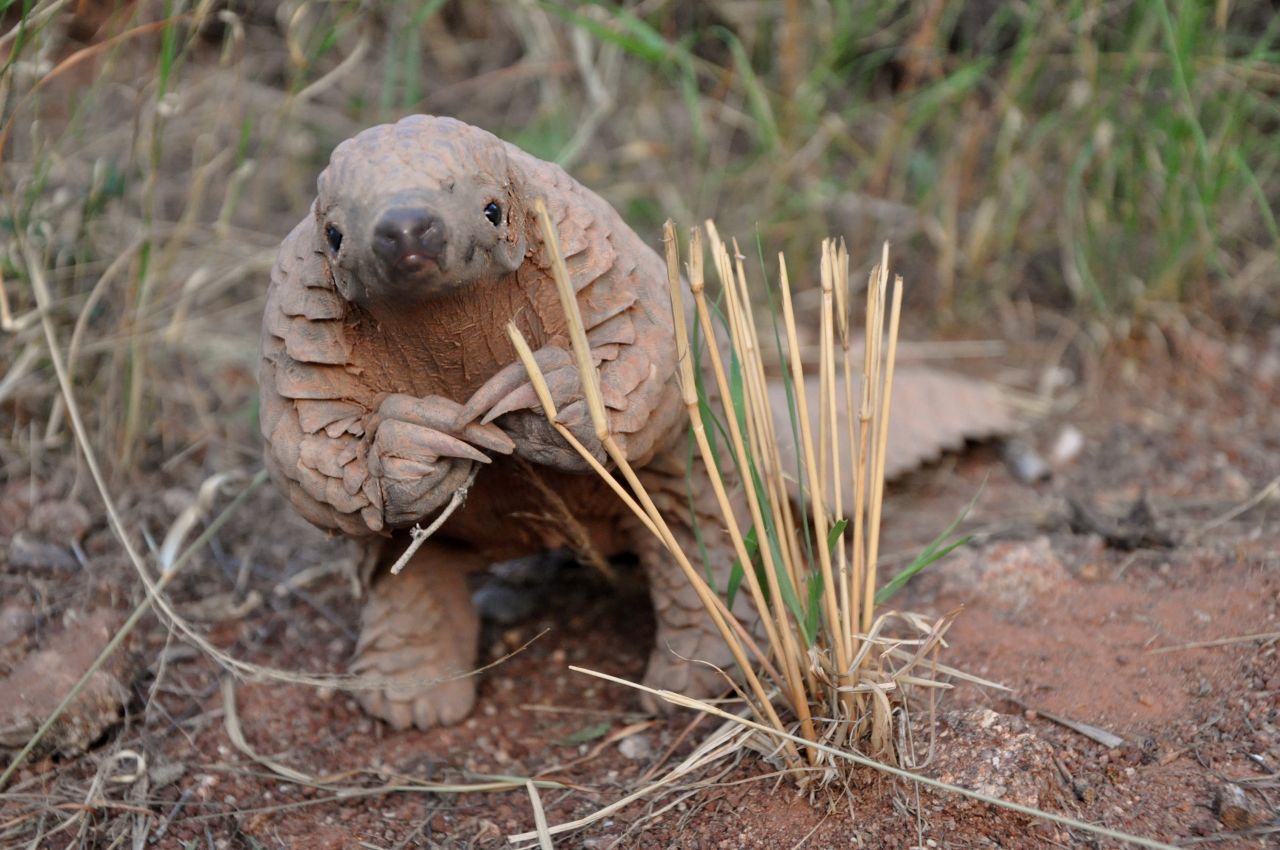
Pangolins are among the most heavily trafficked mammals on Earth, and Africa has become a major source of animals entering the international illegal trade.
UNODC reported that the equivalent of 370,000 pangolins were seized globally between 2014 and 2018. Because seizures represent only a fraction of the actual trade, the report concluded that the real number trafficked was likely far higher. It identified West and Central Africa as the primary source of seized pangolins.
Pangolins are targeted mainly for their scales and meat. All eight pangolin species have the highest level of international protection under CITES, yet trafficking continues.
2. African Elephants
African elephants have been targeted for decades because of the international illegal trade in ivory.
Ivory trafficking has involved tusks being moved across African borders before being shipped toward overseas markets. TRAFFIC manages the Elephant Trade Information System, the CITES-mandated system used to monitor illegal elephant-product trade.
UNODC's 2024 wildlife crime assessment found that detected elephant poaching and ivory seizures had declined from earlier peaks. However, the report noted that the impact on elephant populations remained significant and that the most recent comparable continental population estimate had recorded a substantial decline.
3. African Rhinos
Both African rhino species have been major targets of organised wildlife crime because of demand for rhino horn.
TRAFFIC describes black and white rhinos as among Africa's most heavily targeted large mammals and reports that organised criminal networks have driven extensive poaching for their horns.
South Africa has historically been one of the main hotspots. TRAFFIC's Africa programme currently describes an average of about three rhinos illegally killed each day in South Africa in its regional overview.
Rhino horn is composed primarily of keratin, the same structural protein found in human hair and fingernails, but that fact has not prevented its illegal trade.
4. African Grey Parrots
African grey parrots are among the African birds targeted by the international live-animal trade.
The birds are highly valued in the illegal pet trade because of their intelligence and ability to mimic sounds. Their trafficking has involved the capture of wild birds and their movement through international supply chains.
CITES enforcement operations have continued to intercept African grey parrots alongside other illegally traded wildlife. During Operation Thunder 2024, Nigerian authorities reported seizures that included African grey parrots, live rose-ringed parakeets and tortoises.
The African grey parrot is therefore an example of a species where trafficking involves live animals, rather than only body parts.
5. African Reptiles
Reptiles form another important part of Africa's illegal wildlife trade.
TRAFFIC's research has documented the movement of live reptiles through international trafficking networks, with social media and online marketplaces creating additional channels for the trade. UNODC has also identified live reptiles as a major wildlife-crime category requiring international attention.
Uganda, for example, has recorded illegal trade involving reptiles alongside birds and mammals, with trafficking routes extending across several neighbouring countries.
The trade can involve animals destined for the exotic-pet market.
6. African Great Apes
Chimpanzees and other African great apes are also targeted by wildlife traffickers.
Their trafficking can involve live animals, body parts and other products. The trade is particularly serious because great apes have relatively slow reproduction rates and require specialised habitats and social structures.
CITES issued a specific notification in 2023 concerning illegal trade in African great apes, demonstrating the international conservation concern surrounding the trafficking of these species.
TRAFFIC's African wildlife programme also identifies chimpanzees among species affected by illegal killing and trafficking.
7. African Tortoises
Tortoises are another group appearing in seizures involving African wildlife.
CITES reported that Nigerian authorities seized live tortoises during Operation Thunder 2024 alongside African grey parrots and other wildlife.
Their relatively small size and value in the exotic-pet trade can make some species attractive to traffickers. Unlike ivory or rhino horn trafficking, this trade involves the movement of living animals.
8. Lions and Other African Big Cats
African big cats have also entered illegal wildlife markets.
UNODC's wildlife-crime research identifies big cats as one of the wildlife-product markets requiring international attention. Its research has documented the use of lion and leopard parts as substitutes in markets traditionally associated with tiger products.
The trade can involve bones, skins and other body parts rather than the live animals themselves.
Why Africa Is Central to the Wildlife Trafficking Trade
Africa is both a source region and a transit region for illegal wildlife products. TRAFFIC identifies countries across West, Central, East and Southern Africa as important parts of international wildlife-trafficking networks.
A 2024 agreement between Nigeria and Cameroon specifically identified elephant ivory, pangolin scales and other wildlife commodities among products moving through their shared border region.
The scale of the trade also explains why wildlife trafficking is treated as an organised-crime issue rather than simply isolated poaching. Seizures, cross-border investigations and international enforcement operations increasingly involve customs authorities, police, wildlife agencies and CITES authorities.
For Africa's wildlife, the animals most visible in trafficking investigations range from enormous elephants and rhinos to small pangolins, parrots and tortoises. The products differ, but the underlying trade connects many of these species to international criminal networks.