African writers have produced some of the world's most widely studied novels, plays, poetry collections and works of nonfiction.
Their books have received major international literary awards, appeared in university curricula and been translated into numerous languages.
Nigeria, South Africa, Egypt, Kenya, Ghana, Senegal, Zimbabwe and other African countries have produced authors whose works have reached international audiences.
Among the most recognised are Nobel Prize winners Wole Soyinka, Naguib Mahfouz, Nadine Gordimer, J. M. Coetzee and Abdulrazak Gurnah.
Other writers, including Chinua Achebe, Chimamanda Ngozi Adichie and Ngũgĩ wa Thiong'o, have achieved international recognition through their publications, literary awards and influence on African literature.
The following 25 authors represent different generations, languages and literary traditions.
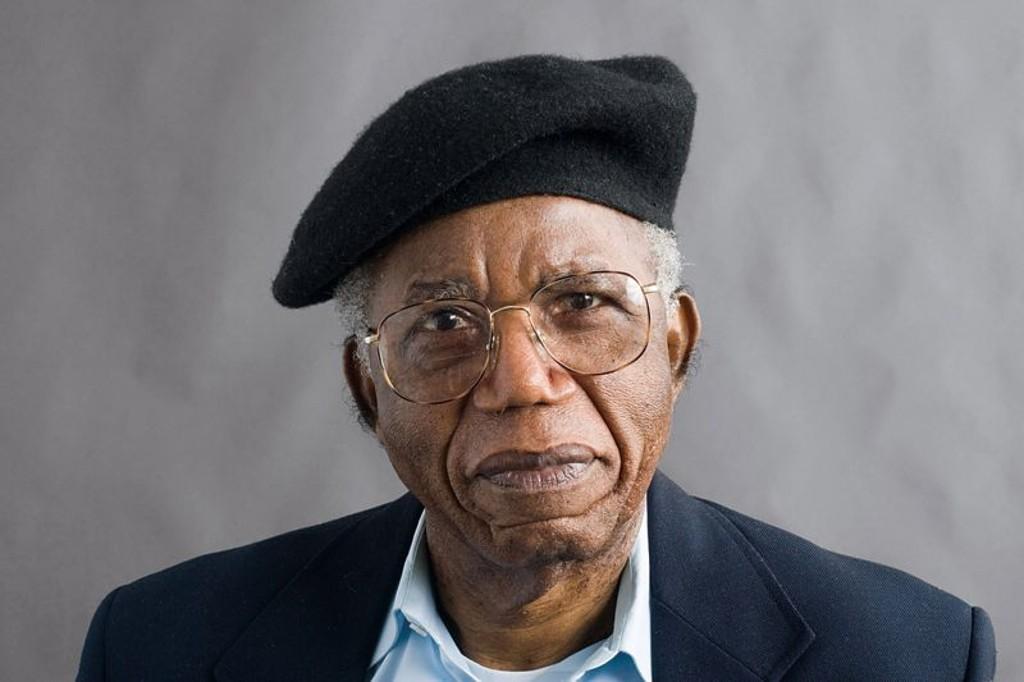
1. Chinua Achebe, Nigeria
Famous book: Things Fall Apart (1958)
Chinua Achebe was born in 1930 in Ogidi, Nigeria, and died in 2013.
His debut novel, Things Fall Apart, was published in 1958 and became one of the most widely recognised works of modern African fiction.
The novel follows Okonkwo, an Igbo man living during a period of major social and colonial change.
Achebe also wrote No Longer at Ease, Arrow of God and Anthills of the Savannah.
He received the Man Booker International Prize in 2007.
2. Wole Soyinka, Nigeria
Major award: Nobel Prize in Literature, 1986
Wole Soyinka was born in 1934 in Abeokuta, Nigeria.
He is a playwright, poet, essayist and novelist whose works include Death and the King's Horseman, The Lion and the Jewel and Ake: The Years of Childhood.
In 1986, Soyinka became the first Black African writer to receive the Nobel Prize in Literature.
His writing includes drama, political commentary, poetry and autobiography.
3. Chimamanda Ngozi Adichie, Nigeria
Famous books: Half of a Yellow Sun and Americanah
Chimamanda Ngozi Adichie was born in Enugu, Nigeria, in 1977.
Her debut novel, Purple Hibiscus, appeared in 2003.
She subsequently published Half of a Yellow Sun in 2006 and Americanah in 2013.
Half of a Yellow Sun won the Women's Prize for Fiction in 2007.
Her nonfiction publications include We Should All Be Feminists and Dear Ijeawele, or A Feminist Manifesto in Fifteen Suggestions.
She published the novel Dream Count in 2025.
4. Ngũgĩ wa Thiong'o, Kenya
Famous books: A Grain of Wheat and Petals of Blood
Ngũgĩ wa Thiong'o was born in 1938 in colonial Kenya and died in 2025.
His novels include Weep Not, Child, The River Between, A Grain of Wheat and Petals of Blood.
He also wrote Decolonising the Mind, a major work examining language and African literature.
Ngũgĩ wrote in English earlier in his career before increasingly publishing creative work in Gikuyu.
His books have been studied internationally in African literature and postcolonial studies.
5. Naguib Mahfouz, Egypt
Major award: Nobel Prize in Literature, 1988
Naguib Mahfouz was born in Cairo in 1911 and died in 2006.
He wrote numerous novels and short stories, many set in Egypt.
His best-known works include the Cairo Trilogy, comprising Palace Walk, Palace of Desire and Sugar Street.
In 1988, he became the first Arabic-language writer to win the Nobel Prize in Literature.
His fiction has been translated internationally and adapted for film and television.
6. Nadine Gordimer, South Africa
Major award: Nobel Prize in Literature, 1991
Nadine Gordimer was born in Springs, South Africa, in 1923 and died in 2014.
Her fiction frequently examined South African society under apartheid.
Her novel The Conservationist shared the 1974 Booker Prize.
Other works include Burger's Daughter, July's People and The Pickup.
She received the Nobel Prize in Literature in 1991.
7. J. M. Coetzee, South Africa
Major awards: Two Booker Prizes and the 2003 Nobel Prize
John Maxwell Coetzee was born in Cape Town in 1940.
His novels include Waiting for the Barbarians, Life & Times of Michael K and Disgrace.
He won the Booker Prize in 1983 for Life & Times of Michael K and again in 1999 for Disgrace.
In 2003, Coetzee received the Nobel Prize in Literature.
He later became an Australian citizen while retaining his South African literary background.
8. Abdulrazak Gurnah, Tanzania
Major award: Nobel Prize in Literature, 2021
Abdulrazak Gurnah was born in Zanzibar in 1948.
He moved to Britain during his youth and subsequently became an academic and novelist.
His books include Paradise, By the Sea, Desertion and Afterlives.
Paradise was shortlisted for the Booker Prize in 1994.
In 2021, Gurnah received the Nobel Prize in Literature for his writing concerning colonialism, displacement and refugees.
9. Ben Okri, Nigeria
Major award: Booker Prize, 1991
Ben Okri was born in 1959 in Minna, Nigeria.
He is a novelist, poet and essayist whose writing includes elements of mythology, spirituality and contemporary African life.
His novel The Famished Road won the Booker Prize in 1991.
Other publications include Songs of Enchantment, Astonishing the Gods and Starbook.
Okri's work has been published internationally across several literary genres.
10. Ama Ata Aidoo, Ghana
Famous books: Our Sister Killjoy and Changes
Ama Ata Aidoo was born in 1942 in Ghana and died in 2023.
She was a novelist, playwright, poet and academic.
Her works include The Dilemma of a Ghost, Our Sister Killjoy and Changes: A Love Story.
Changes received the Commonwealth Writers' Prize for the Africa region.
Aidoo also served as Ghana's Minister of Education during the 1980s.
11. Mariama Bâ, Senegal
Famous book: So Long a Letter
Mariama Bâ was born in Dakar in 1929 and died in 1981.
She is best known for So Long a Letter, originally published in French as Une si longue lettre in 1979.
The novel follows a Senegalese woman reflecting on marriage, family and social expectations.
It received the first Noma Award for Publishing in Africa in 1980.
Bâ also wrote Scarlet Song, published after her death.
12. Tsitsi Dangarembga, Zimbabwe
Famous book: Nervous Conditions
Tsitsi Dangarembga was born in 1959 in what was then Southern Rhodesia.
Her debut novel, Nervous Conditions, was published in 1988.
It follows Tambudzai, a young Zimbabwean girl navigating education, family expectations and colonial society.
Dangarembga continued the story in The Book of Not and This Mournable Body.
This Mournable Body was shortlisted for the Booker Prize in 2020.
13. NoViolet Bulawayo, Zimbabwe
Famous books: We Need New Names and Glory
NoViolet Bulawayo was born in Zimbabwe in 1981.
Her debut novel, We Need New Names, was published in 2013.
The book follows a young Zimbabwean girl who later moves to the United States.
It was shortlisted for the Booker Prize in 2013.
Her second novel, Glory, published in 2022, was also shortlisted for the Booker Prize.
14. Bessie Head, Botswana and South Africa
Famous book: Maru
Bessie Head was born in South Africa in 1937 and died in Botswana in 1986.
She moved to Botswana in the 1960s and spent much of her writing career there.
Her novels include When Rain Clouds Gather, Maru and A Question of Power.
Her work examined social exclusion, identity, race and community life.
Head is an important figure in both South African and Botswana literary history.
15. Nuruddin Farah, Somalia
Major award: Neustadt International Prize for Literature, 1998
Nuruddin Farah was born in Baidoa, Somalia, in 1945.
He is known for novels exploring Somali society, politics, gender and displacement.
His publications include From a Crooked Rib, Maps, Gifts and Secrets.
Farah received the Neustadt International Prize for Literature in 1998.
His books have been translated into several languages and published internationally.
16. Ayi Kwei Armah, Ghana
Famous book: The Beautyful Ones Are Not Yet Born
Ayi Kwei Armah was born in Ghana in 1939.
His debut novel, The Beautyful Ones Are Not Yet Born, appeared in 1968.
The novel examines corruption and political disillusionment in post-independence Ghana.
Other works include Fragments, Why Are We So Blest? and Two Thousand Seasons.
His fiction has been included in university literature courses and academic studies of African writing.
17. Tahar Ben Jelloun, Morocco
Major award: Prix Goncourt, 1987
Tahar Ben Jelloun was born in Fez, Morocco, in 1944.
He writes primarily in French and has published novels, poetry and essays.
His works include The Sand Child and The Sacred Night.
The Sacred Night won the Prix Goncourt in 1987.
His publications examine Moroccan society, migration, identity and cultural relationships.
18. Assia Djebar, Algeria
Famous book: Fantasia: An Algerian Cavalcade
Assia Djebar was born in Cherchell, Algeria, in 1936 and died in 2015.
She was a novelist, filmmaker and academic.
Her works include Fantasia: An Algerian Cavalcade, Women of Algiers in Their Apartment and So Vast the Prison.
In 2005, she was elected to the Académie française.
Her publications have received international recognition in French-language and postcolonial literature.
19. Mia Couto, Mozambique
Famous book: Sleepwalking Land
Mia Couto was born in Beira, Mozambique, in 1955.
He is a Portuguese-language novelist, poet and journalist.
His books include Sleepwalking Land, The Last Flight of the Flamingo and Confession of the Lioness.
He received the Camões Prize in 2013, one of the major literary honours in Portuguese-language literature.
His work has been translated into numerous languages.
20. José Eduardo Agualusa, Angola
Famous book: A General Theory of Oblivion
José Eduardo Agualusa was born in Huambo, Angola, in 1960.
He writes novels, short stories and journalism in Portuguese.
His publications include The Book of Chameleons and A General Theory of Oblivion.
A General Theory of Oblivion won the International Dublin Literary Award in 2017.
His fiction frequently incorporates Angolan history and the experiences of people living across different countries.
21. Yvonne Vera, Zimbabwe
Famous books: Nehanda and Butterfly Burning
Yvonne Vera was born in 1964 in Southern Rhodesia and died in 2005.
Her novels include Nehanda, Without a Name, Under the Tongue, Butterfly Burning and The Stone Virgins.
Her writing examined Zimbabwean history, women's experiences and political violence.
Vera received literary recognition through awards including the Commonwealth Writers' Prize for the Africa region.
Her novels continue to feature in African literary scholarship.
22. Leila Aboulela, Sudan
Famous books: Minaret and The Translator
Leila Aboulela was born in Cairo in 1964 and grew up in Sudan.
She writes novels and short stories exploring migration, religion, family and cultural identity.
Her publications include The Translator, Minaret, Lyrics Alley and Bird Summons.
Her short story The Museum won the inaugural Caine Prize for African Writing in 2000.
Her books have been published internationally.
23. Jennifer Nansubuga Makumbi, Uganda
Famous book: Kintu
Jennifer Nansubuga Makumbi was born in Uganda in 1967.
Her debut novel, Kintu, was first published in Kenya in 2014.
The novel follows several generations of a Ugandan family.
Her other publications include Manchester Happened and The First Woman, also published under the title A Girl Is a Body of Water.
Makumbi won the Commonwealth Short Story Prize in 2014 for Let's Tell This Story Properly.
24. Maaza Mengiste, Ethiopia
Famous books: Beneath the Lion's Gaze and The Shadow King
Maaza Mengiste was born in Addis Ababa, Ethiopia, in 1974.
She is a novelist and essayist whose work examines Ethiopian history, political conflict and displacement.
Her debut novel, Beneath the Lion's Gaze, was published in 2010.
Her second novel, The Shadow King, appeared in 2019 and was shortlisted for the Booker Prize in 2020.
The novel is set during Italy's invasion of Ethiopia in the 1930s.
25. Scholastique Mukasonga, Rwanda
Famous book: Our Lady of the Nile
Scholastique Mukasonga was born in Rwanda in 1956.
She writes primarily in French and has published novels and autobiographical works.
Her books include Cockroaches, The Barefoot Woman and Our Lady of the Nile.
Our Lady of the Nile won the Prix Renaudot in 2012.
Her writing frequently addresses Rwandan history, family experiences and the events surrounding the 1994 genocide against the Tutsi.
African Authors Who Have Won the Nobel Prize in Literature
Five major African literary figures have received the Nobel Prize in Literature:
- Wole Soyinka - Nigeria - Received 1986
- Naguib Mahfouz - Egypt- Received 1988
- Nadine Gordimer - South Africa - Received 1991
- J. M. Coetzee - South Africa - Received 2003
- Abdulrazak Gurnah - Tanzania - Received 2021
These awards are documented in the Nobel Prize's official historical records.
African Literature and International Publishing
African authors publish in numerous languages, including English, French, Arabic, Portuguese and African languages.
Some writers, including Ngũgĩ wa Thiong'o, have also made the choice of literary language a central part of their published work.
African novels have received international recognition through the Nobel Prize, Booker Prize, Prix Goncourt, Camões Prize and other literary awards.
Works such as Things Fall Apart, Half of a Yellow Sun, The Cairo Trilogy, Nervous Conditions and So Long a Letter remain among the widely recognised publications associated with modern African literature.