Africa's First Ladies have come from very different backgrounds. Some were teachers, lawyers and doctors before entering the presidential household. Others built businesses, worked in government, studied economics or became influential advocates for education, health and women's rights.
There is no scientific test that can determine which First Lady in African history is the "smartest." This ranking instead looks at documented academic qualifications, professional careers, leadership positions, public-service records and intellectual contributions.
Methodology
The ranking considers four main areas: level of formal education, professional expertise, leadership responsibility and documented contribution outside the ceremonial role of First Lady. Academic degrees alone do not determine the ranking, and the list includes both current and former First Ladies from across Africa.
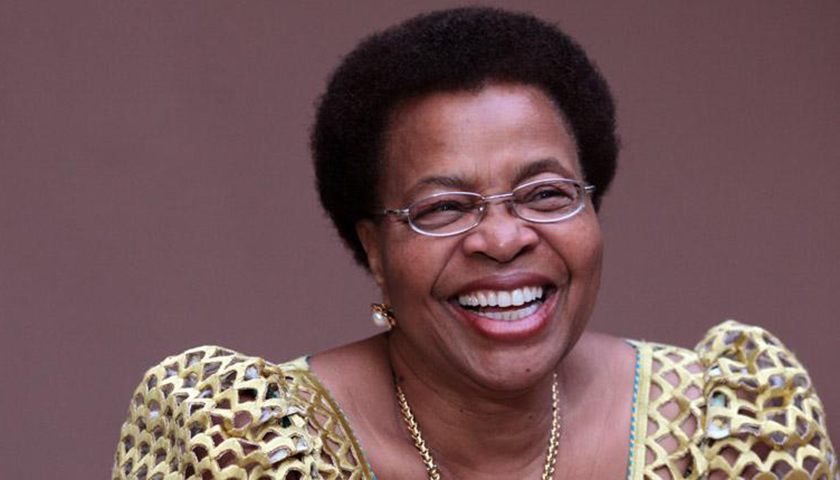
1. Graça Machel – Mozambique
Graça Machel stands out for combining higher education, politics and international leadership. She studied at the University of Lisbon, became Mozambique's Minister of Education and Culture after independence and later became a prominent international advocate for children and women's rights. She is also the only woman to have served as First Lady of two countries, Mozambique and South Africa.
2. Tshepo Motsepe – South Africa
Dr Tshepo Motsepe is a medical doctor with a medical degree from the University of KwaZulu-Natal and a Master of Public Health from Harvard. She has worked in hospitals, reproductive-health research and public health and has held leadership roles in health organisations.
3. Ana Dias Lourenço – Angola
Ana Dias Lourenço is an economist who served as Angola's Minister of Planning for more than a decade before becoming First Lady in 2017. Her background in economics and government policy gives her an unusually strong professional record among African presidential spouses.
4. Monica Geingos – Namibia
Monica Geingos is a lawyer and business executive who holds B.Juris and LLB degrees. Before becoming First Lady of Namibia, she worked in private equity and corporate finance and chaired Namibia's Presidential Economic Advisory Council.
5. Janet Museveni – Uganda
Janet Museveni trained as a teacher and earned a Bachelor of Education from Makerere University. She also holds a diploma in early childhood development and a master's degree in organisational leadership and management. She later served as Uganda's Minister of Education and Sports.
6. Lordina Mahama – Ghana
Lordina Mahama combines hospitality training with postgraduate education in governance and leadership. She has also been involved in national and international First Ladies' organisations and established the Lordina Foundation.
7. Aisha Buhari – Nigeria
Aisha Buhari holds a degree in public administration and a master's degree in international affairs and strategic studies. She also trained in beauty therapy and cosmetology and built a professional business in the field before becoming Nigeria's First Lady.
8. Dominique Ouattara – Côte d'Ivoire
Dominique Ouattara studied economics and languages at the University of Paris X before completing professional qualifications in property management and real estate. She later built AICI International into a major real-estate business operating across Africa and Europe.
9. Jeannette Kagame – Rwanda
Jeannette Kagame holds a degree in business and management and founded the Imbuto Foundation. Her work has focused heavily on education, health and vulnerable communities in Rwanda.
10. Auxillia Mnangagwa – Zimbabwe
Auxillia Mnangagwa studied hotel and tourism administration in Switzerland and later earned an MBA from Midlands State University. She has also held political positions, including membership in Zimbabwe's Parliament.
11. Margaret Kenyatta – Kenya
Margaret Kenyatta is a trained educator with a Bachelor of Education from Kenyatta University. As First Lady, she became closely associated with the Beyond Zero campaign addressing maternal and child health.
12. Salma Kikwete – Tanzania
Salma Kikwete worked as a teacher for more than two decades before becoming First Lady. She holds a bachelor's degree in education and a diploma in early childhood education and later established the WAMA Foundation.
13. Fatima Maada Bio – Sierra Leone
Fatima Maada Bio has degrees in performing arts and journalism and built a career in acting and film production. As First Lady, she became internationally recognised for the Hands Off Our Girls campaign and advocacy for girls and women.
14. Widad Babikir Omer – Sudan
Widad Babikir studied economics and finance before earning a master's degree in business management. Her academic record was documented by the Organisation of African First Ladies Against HIV/AIDS.
15. Maureen Mwanawasa – Zambia
Maureen Mwanawasa was a trained legal practitioner and served as Zambia's First Lady from 2002 to 2008. She was also involved in the Law Association of Zambia's women's rights work and other social organisations.
16. Thandiwe Banda – Zambia
Thandiwe Banda was a political science teacher before becoming Zambia's First Lady. Her professional background in education and political science distinguished her from the largely ceremonial image associated with the office.
17. Hadiza Bazoum – Niger
Hadiza Bazoum is a trained lawyer and women's rights advocate who served as Niger's First Lady from 2021 to 2023. Her professional background was in law rather than politics or ceremonial public life.
18. Anna Paula dos Santos – Angola
Anna Paula dos Santos trained as a teacher before later obtaining a law degree from Agostinho Neto University. Her combination of education and legal training made her one of Angola's more academically accomplished presidential spouses.
19. Rebecca Akufo-Addo – Ghana
Rebecca Akufo-Addo worked in Ghana's banking sector before becoming First Lady. She later established the Rebecca Foundation, which has worked in areas including healthcare and education.
20. Nana Konadu Agyeman Rawlings – Ghana
Nana Konadu Agyeman Rawlings became one of Ghana's most politically active First Ladies. She founded the 31st December Women's Movement and later became the first woman to run for Ghana's presidency in 2016. Her political work extended far beyond the conventional First Lady role.
21. Rachel Ruto – Kenya
Rachel Ruto is a trained educator with a Bachelor of Education from Kenyatta University and a master's degree in development studies from the Catholic University of Eastern Africa. Her professional and academic background includes education, development and women's economic empowerment.
22. Oluremi Tinubu – Nigeria
Oluremi Tinubu is a trained teacher and educationist who later became a senator before becoming Nigeria's First Lady. Her political career included several years as an elected member of Nigeria's Senate.
23. Patience Jonathan – Nigeria
Patience Jonathan worked as an educator before becoming First Lady and later became known for her involvement in education and health-related initiatives. She also served in public administrative roles in Rivers State.
24. Stella Obasanjo – Nigeria
Stella Obasanjo was a businesswoman and philanthropist who became Nigeria's First Lady in 1999. Her public work included initiatives addressing HIV/AIDS, maternal health and women's welfare before her death in 2005.
25. Sylvia Bongo Ondimba – Gabon
Sylvia Bongo Ondimba built a professional career in business and later became involved in social initiatives through the Sylvia Bongo Ondimba Foundation. Her public work has included healthcare, social protection and women's empowerment.
26. Chantal Biya – Cameroon
Chantal Biya has served as Cameroon's First Lady since 1982. Her public work has centred heavily on humanitarian and health initiatives, including the Chantal Biya Foundation and activities associated with HIV/AIDS prevention.
27. Antoinette Sassou Nguesso – Republic of the Congo
Antoinette Sassou Nguesso has been involved in humanitarian work for children and families and has represented the Republic of the Congo in international First Ladies' initiatives.
28. Denise Nkurunziza – Burundi
Denise Nkurunziza served as Burundi's First Lady from 2005 to 2020 and became involved in humanitarian and social initiatives, including programmes connected with vulnerable children and families.
29. Angeline Ndayishimiye – Burundi
Angeline Ndayishimiye became Burundi's First Lady in 2020 and has taken part in programmes involving women, children, health and social development. Her public role has included participation in continental First Ladies' initiatives.
30. Maryam Babangida – Nigeria
Maryam Babangida, Nigeria's First Lady from 1985 to 1993, established the Better Life Programme for Rural Women. The programme became one of the most prominent government-backed initiatives aimed at rural women's economic and social development during that period.
What Makes These First Ladies Stand Out?
The strongest pattern in this list is that many of Africa's most accomplished First Ladies had established careers before entering the presidential household.
Doctors, lawyers, economists, educators, business executives, politicians and researchers appear repeatedly. Graça Machel became a national education minister. Ana Dias Lourenço served as a government minister. Tshepo Motsepe built a career in medicine and public health. Monica Geingos worked in corporate finance, while Dominique Ouattara built an international business.
For many women, the presidential household became another chapter in careers that had already been built around education, professional expertise, public service and leadership.