African leaders have lost power through military coups, popular uprisings, political pressure and armed rebellions. Some had ruled for decades before their governments collapsed within days. Others were removed during the first years of their presidencies.
These 10 cases span different regions and periods, with the dates, circumstances and immediate outcomes of each departure documented in historical records.
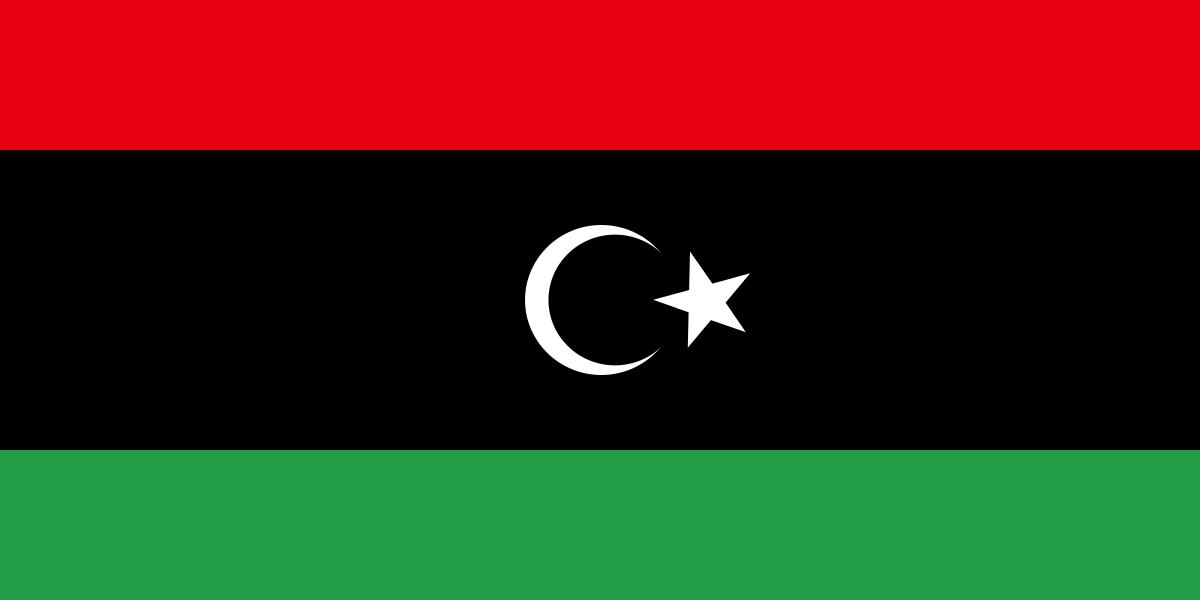
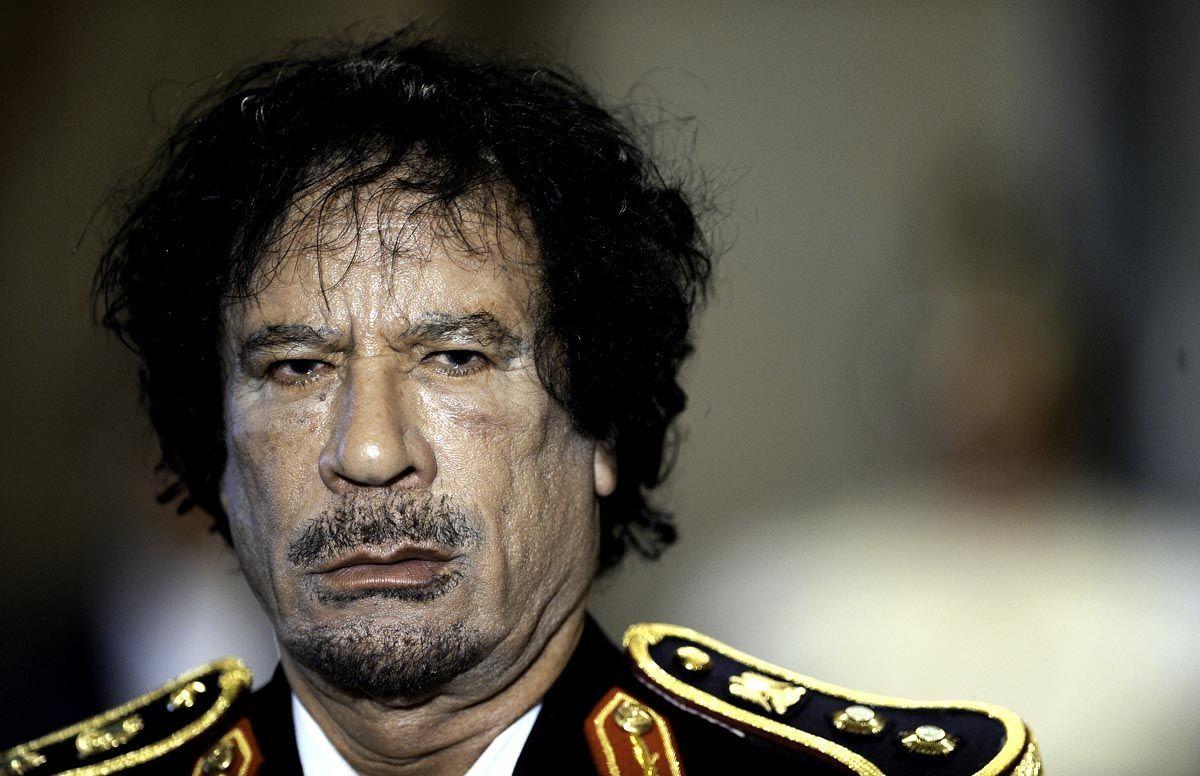
1. Muammar Gaddafi – Libya, 2011
Muammar Gaddafi seized power in Libya on 1 September 1969 after military officers overthrew King Idris I. He ruled for more than 40 years.
In February 2011, protests against his government developed into an armed uprising. NATO began military operations in March under a United Nations-authorized mission to protect civilians.
Opposition forces entered Tripoli in August. Gaddafi's government lost control of the capital, and he fled. On 20 October 2011, he was captured and killed near Sirte as opposition forces took control of the area.
His death ended his 42-year rule. Libya subsequently experienced prolonged political fragmentation and armed conflict.
2. Robert Mugabe – Zimbabwe, 2017
Robert Mugabe led Zimbabwe from independence in 1980. His removal followed a dispute over who would succeed him.
In early November 2017, Mugabe dismissed Vice-President Emmerson Mnangagwa. The military intervened on 14 November, taking control of key locations in Harare and placing Mugabe under house arrest.
The ruling ZANU-PF party removed Mugabe as its leader, and parliament began impeachment proceedings. On 21 November, Mugabe resigned before the process was completed.
After 37 years in power, he was succeeded by Mnangagwa, who was sworn in as president on 24 November 2017.
3. Hosni Mubarak – Egypt, 2011
Hosni Mubarak became Egypt's president in October 1981 after President Anwar Sadat was assassinated.
In January 2011, large demonstrations broke out against Mubarak's government. Protesters gathered in Cairo's Tahrir Square and other cities, demanding political reform and his departure.
After 18 days of demonstrations, Vice-President Omar Suleiman announced on 11 February that Mubarak had resigned and transferred authority to the Supreme Council of the Armed Forces.
His departure ended nearly 30 years in office and became one of the defining political events of the Arab Spring.
4. Omar al-Bashir – Sudan, 2019
Omar al-Bashir took power in a military coup on 30 June 1989, overthrowing the government of Prime Minister Sadiq al-Mahdi.
In December 2018, protests began over rising prices and shortages before expanding into a nationwide campaign against Bashir's government.
Demonstrators maintained a sit-in outside military headquarters in Khartoum in April 2019. On 11 April, the military removed Bashir from office and announced a transitional military council.
His removal ended almost 30 years of rule. Sudan's transition remained unstable, and the country later experienced another military coup in October 2021.
5. Thomas Sankara – Burkina Faso, 1987
Thomas Sankara became president of Burkina Faso in August 1983 after a military coup. During his presidency, the country adopted the name Burkina Faso, replacing Upper Volta.
Sankara introduced public-health campaigns, vaccination programmes and national tree-planting initiatives. His government also faced disagreements within the country's political and military leadership.
On 15 October 1987, soldiers in a coup led by Blaise Compaoré killed Sankara and took control of the government. Compaoré became president and remained in office until 2014.
Sankara's death ended his four-year presidency.
6. Kwame Nkrumah – Ghana, 1966
Kwame Nkrumah led Ghana to independence from Britain on 6 March 1957. He served as prime minister and later became president.
On 24 February 1966, while Nkrumah was visiting China, military and police officers overthrew his government. The coup established the National Liberation Council.
Nkrumah did not return to power. He went to Guinea, where President Ahmed Sékou Touré granted him an honorary co-presidential position.
Nkrumah died in Bucharest, Romania, on 27 April 1972. His removal ended nine years of independent Ghana under his leadership.
7. Haile Selassie – Ethiopia, 1974
Haile Selassie became emperor of Ethiopia in 1930. Italian forces occupied the country from 1936 until Ethiopian and Allied forces restored his rule in 1941.
By 1974, Ethiopia faced rising living costs, famine, strikes and unrest within the armed forces. A military committee known as the Derg gradually assumed control.
On 12 September 1974, the Derg deposed Haile Selassie and ended the Ethiopian monarchy. The emperor was detained and died in custody in August 1975.
His removal ended a monarchy with centuries of recorded history and established military rule under the Derg.
8. Mobutu Sese Seko – Zaire, 1997
Mobutu seized power in the Democratic Republic of the Congo in November 1965. He renamed the country Zaire in 1971 and ruled for more than three decades.
In 1996, an armed rebellion led by Laurent-Désiré Kabila began advancing against his government with support from neighbouring countries.
Rebel forces entered Kinshasa in May 1997. Mobutu fled the country, and Kabila declared himself president on 17 May.
Mobutu died in exile in Morocco on 7 September 1997. His departure ended 32 years of rule.
9. Blaise Compaoré – Burkina Faso, 2014
Blaise Compaoré became president after the 1987 coup that killed Thomas Sankara.
In October 2014, parliament considered constitutional changes that would have allowed Compaoré to seek another presidential term. Large demonstrations erupted in the capital, Ouagadougou, and other cities.
On 31 October, Compaoré announced his resignation and subsequently went into exile in Côte d'Ivoire.
He had ruled for 27 years. His departure followed sustained public protests and pressure from the armed forces.
10. Ali Bongo Ondimba – Gabon, 2023
Ali Bongo became president of Gabon in 2009 following the death of his father, Omar Bongo, who had ruled for more than four decades.
On 30 August 2023, military officers announced that they were taking power shortly after the announcement of Bongo's disputed election victory. They placed him under house arrest and announced the cancellation of the election results.
General Brice Oligui Nguema emerged as the transitional leader. Bongo's removal ended 14 years of his presidency and more than five decades of rule by the Bongo family.
Nguema later won Gabon's presidential election in April 2025.