National flags often mark major political turning points. In Africa, many countries adopted their first national flags around independence, while others redesigned them following changes of government, constitutional reforms or national identity campaigns.
Some changes involved replacing an entire design. Others restored an earlier flag or made a more limited alteration, such as adding a symbol or changing a color. Malawi, Libya and Mauritania provide examples of these different approaches.
A historical record of national flags documents changes across the continent, including the Democratic Republic of the Congo's return to an earlier design in 2006 and Mauritania's addition of red bands in 2017.
1. Libya
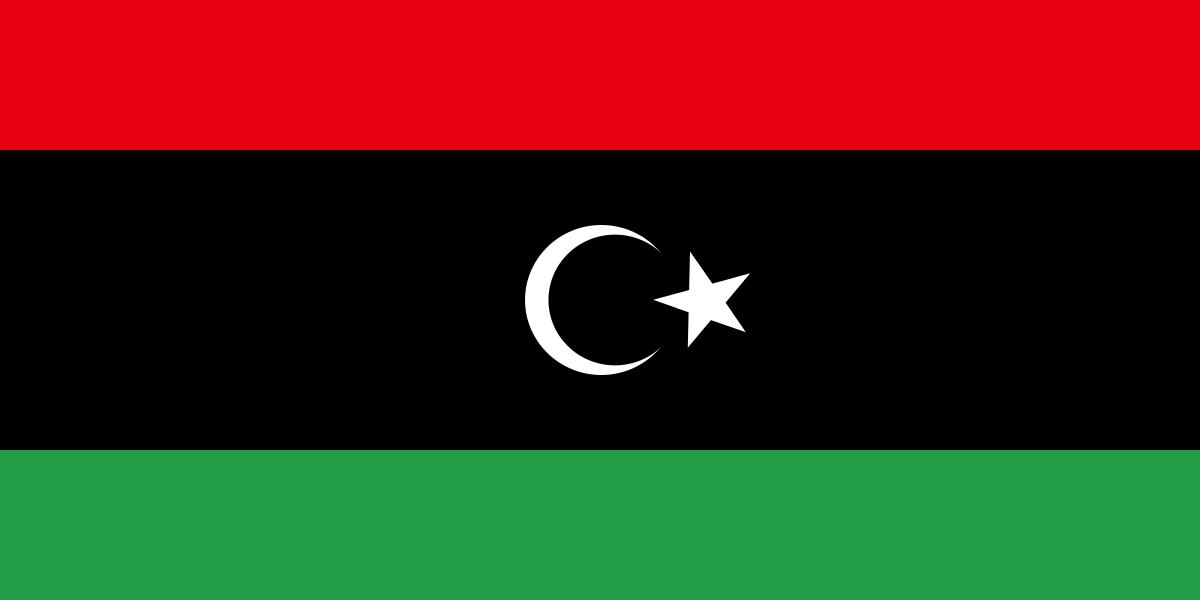
Libya's flag has changed alongside major political transitions. The country adopted a red, black and green flag with a white crescent and star when it became independent in 1951.
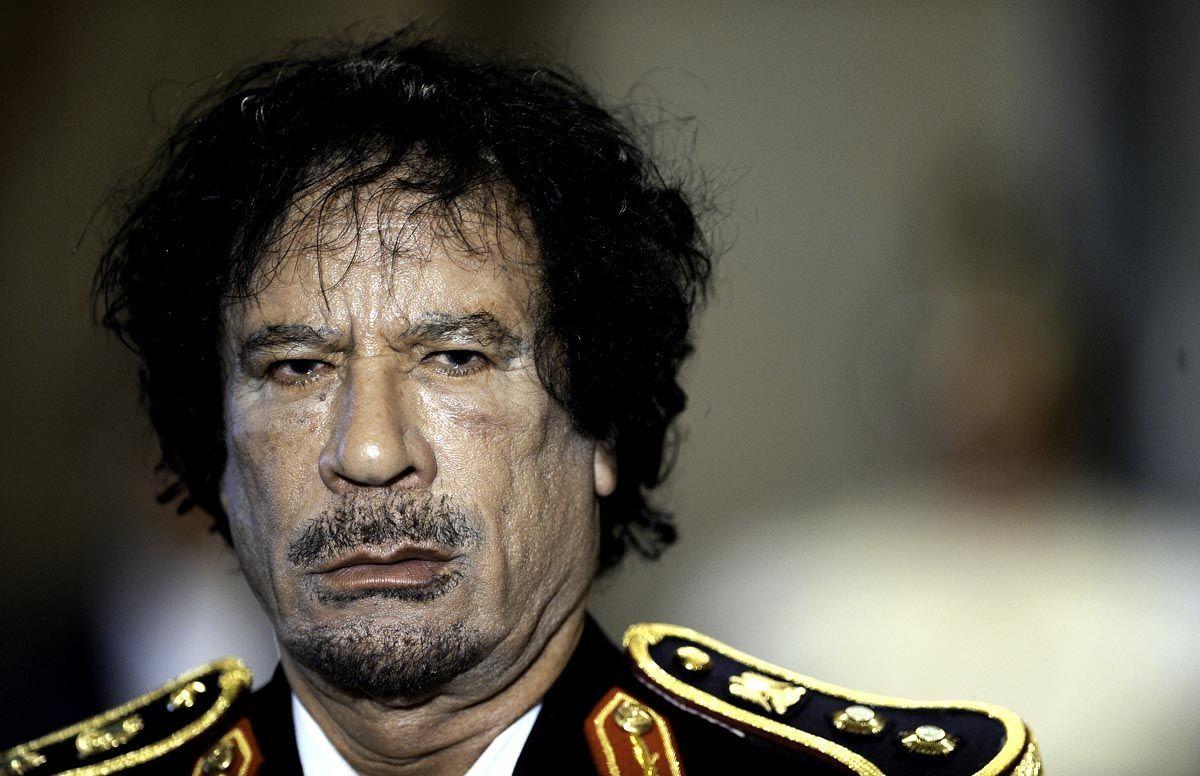
Following the 1969 coup led by Muammar Gaddafi, Libya adopted a red, white and black horizontal tricolour.

In 1977, the government introduced an entirely green flag, which remained the national flag for decades.

After the 2011 uprising that ended Gaddafi's rule, Libya restored the 1951 flag. The restored design became a symbol associated with the country's pre-Gaddafi independence period.
2. Malawi
Malawi adopted its original national flag on July 6, 1964, when it gained independence from Britain. The flag features black, red and green horizontal stripes, with a rising red sun on the black stripe.

On July 29, 2010, the government introduced a modified flag with red, black and green stripes and a white sun in the center. The change took place during President Bingu wa Mutharika's administration.

The redesigned flag was short-lived. In 2012, after a change of government, Malawi restored the original independence-era flag, including its rising sun.
3. Mauritania
Mauritania became independent from France in 1960 and adopted a green flag featuring a gold crescent and star.

For decades, the flag remained unchanged. In August 2017, a constitutional referendum approved the addition of two red horizontal bands, one at the top and one at the bottom.

The new design retained the green background and gold crescent and star while introducing red stripes. The alteration became part of a wider constitutional reform process.
4. Democratic Republic of the Congo
The Democratic Republic of the Congo has used several national flag designs since independence in 1960.
The country initially adopted a light-blue flag with a yellow star in the upper-left corner and a diagonal red stripe edged in yellow. After political changes, it used different designs, including a plain green flag during the period when the country was known as Zaire.

In 1997, after Mobutu Sese Seko's government fell, the country returned to the name Democratic Republic of the Congo and adopted a flag based on an earlier design.

In 2006, a modified version of the blue flag with a yellow star and diagonal red stripe was introduced. It is the design used today.

The flag's history closely follows the country's repeated changes of name and political system.
5. Rwanda
Rwanda's original post-independence flag featured red, yellow and green horizontal stripes with a large black letter R in the center. It was adopted in 1962.

After the 1994 genocide against the Tutsi and the subsequent political transition, Rwanda introduced a new flag in October 2001. The current design features blue, yellow and green horizontal sections, with a golden sun in the upper-right corner.

The government adopted the new flag as part of a broader effort to establish a new national identity following the genocide.
The change was more substantial than a simple color adjustment: it replaced the earlier arrangement and central letter with a different composition and symbolism.
6. South Africa
South Africa's current flag was first used on April 27, 1994, the date of the country's first democratic elections based on universal adult suffrage.
It replaced the flag used during the apartheid era. The new design combines red, blue, green, black, white and gold in a distinctive Y-shaped arrangement.
The design was initially introduced as an interim flag before becoming the country's permanent national flag in 1996. It represents a major change in the country's national symbols during the transition to democratic rule.
Unlike countries that restored an older design, South Africa adopted a new flag intended to represent the country's diverse population and political transition.
7. Seychelles
Seychelles has changed its national flag several times since independence from Britain in 1976.
The country initially adopted a flag with blue, yellow, red, white and green horizontal stripes. Following a change of government in 1977, the design was replaced with a red-and-green flag featuring a white wavy stripe.
In 1996, Seychelles introduced the current flag, which has five coloured bands radiating from the lower-left corner. The colours are blue, yellow, red, white and green.
The current design was adopted after the introduction of multiparty politics and remains the national flag.
8. Ghana
Ghana adopted its red, gold and green flag with a black star at independence in 1957. The flag's design was temporarily altered in 1964 when the government replaced the gold stripe with white.
The change was reversed in 1966 after the overthrow of President Kwame Nkrumah. Ghana returned to the red, gold and green arrangement with the black star.
The current flag therefore retains the core design adopted at independence, despite the brief interruption. Ghana's history illustrates how a flag can be restored following a change of government without creating a completely new national symbol.
9. Zimbabwe
Zimbabwe adopted its current national flag on April 18, 1980, when the country became independent from British rule.
Before independence, the territory was known as Southern Rhodesia and later Rhodesia. The new flag features seven horizontal stripes in green, gold, red and black, alongside a white triangle containing a red star and the Zimbabwe Bird.
The change was not simply a redesign of an established independent country's flag. It marked the transition from Rhodesia to independent Zimbabwe and replaced the previous political symbols with a new national design.
The flag has remained in use since independence.
10. Ethiopia
Ethiopia's green, yellow and red colours have influenced flag designs across Africa and are closely associated with Pan-African symbolism.
The country has changed the details of its national flag several times, particularly during the imperial, socialist and federal periods. The introduction of the emblem to the centre of the tricolour in 1996 created the basis of the modern flag, which features a blue disc and yellow star.
Although the green, yellow and red arrangement has remained central to the design, changes to the emblem reflect different political eras and constitutional arrangements.
Ethiopia's flag history is unusual because the country was not formally colonized in the same way as most African states, yet its national symbols have still evolved with changes in government. check our article on 10 Reasons Ethiopia Was Never Permanently Colonized here
Methodology
This list selects ten African countries with documented national flag changes, restorations or major redesigns after independence. It includes substantial changes to the design and, where relevant, brief periods in which a previous flag was replaced and restored. It is not a ranking, and the order does not indicate how frequently each country has changed its flag.