African scientists have made documented contributions to chemistry, medicine, physics, engineering, astronomy, computer technology and agricultural research.
Their work includes the development of semiconductor technology used in modern electronics, advances in Ebola research, new approaches to HIV prevention and techniques for observing chemical reactions at extremely short timescales.
Several African-born scientists have conducted research at universities and laboratories outside their countries of birth, while others have established research programmes within Africa.
The following 15 scientists were selected for documented scientific discoveries, technological developments, influential research or contributions to international scientific programmes.
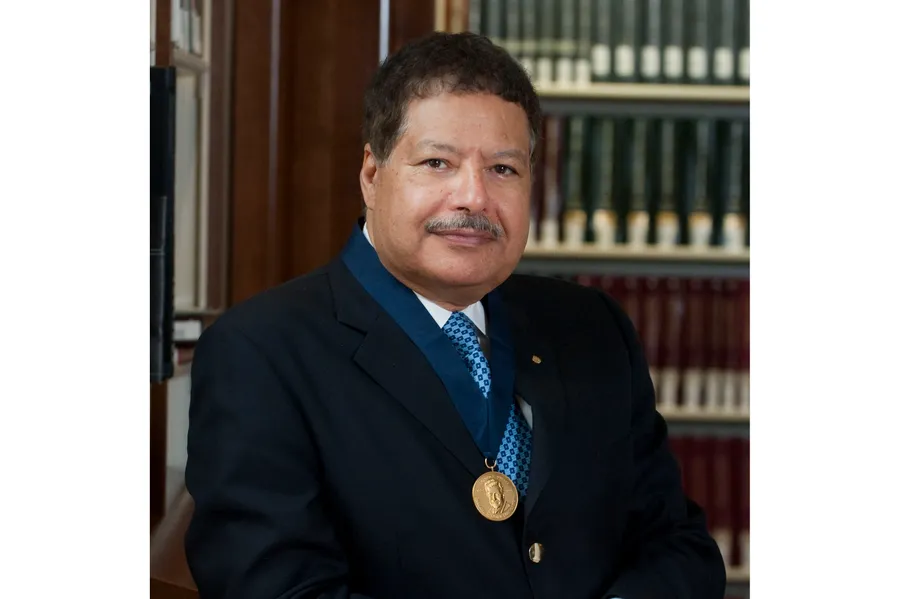
1. Ahmed Zewail – Egypt
Ahmed Zewail (1946–2016) was an Egyptian chemist who won the 1999 Nobel Prize in Chemistry.
Born in Damanhur, Egypt, he studied at Alexandria University before completing doctoral studies in the United States.
Zewail developed femtosecond spectroscopy techniques that allowed scientists to observe extremely rapid changes during chemical reactions.
His research helped establish femtochemistry, which studies chemical reactions over timescales measured in femtoseconds, or quadrillionths of a second.
He conducted much of his research at the California Institute of Technology.
2. Mohamed Atalla – Egypt
Mohamed M. Atalla (1924–2009) was an Egyptian-American engineer whose research contributed to the development of modern semiconductor technology.
While working at Bell Laboratories, he investigated semiconductor surface passivation, a technique used to improve the stability and performance of electronic devices.
In 1959, Atalla and Dawon Kahng developed the metal-oxide-semiconductor field-effect transistor, commonly known as the MOSFET.
MOSFETs became fundamental components of integrated circuits and are used extensively in computers, smartphones and other electronic devices.
3. Jean-Jacques Muyembe-Tamfum – Democratic Republic of the Congo
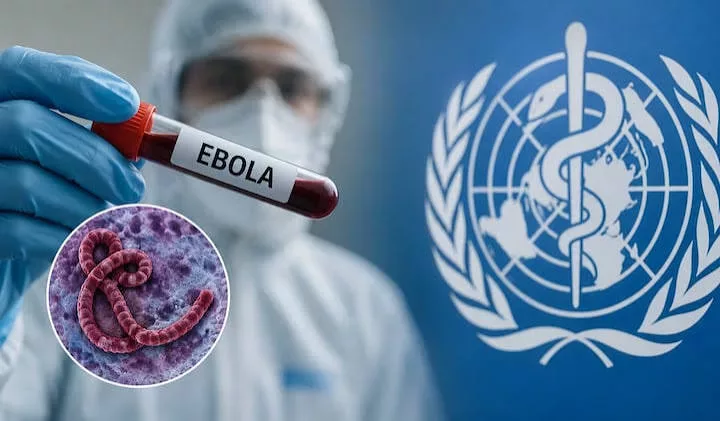
Jean-Jacques Muyembe-Tamfum is a Congolese microbiologist recognized for his work on Ebola virus disease.
He participated in the investigation of the first recorded Ebola outbreak in 1976, when the disease emerged in what was then Zaire.
Muyembe later became a leading figure in infectious disease research and Ebola outbreak response.
His work included contributions to research on antibody-based Ebola treatments and the development of biomedical research capacity in the Democratic Republic of the Congo.
In 2023, the World Health Organization recognized him with a Global Health Leaders Award.
4. Tebello Nyokong – South Africa
Tebello Nyokong is a South African chemist known for research involving photochemistry, nanotechnology and photodynamic therapy.
She is a distinguished professor at Rhodes University and has worked extensively with phthalocyanines, chemical compounds that can interact with light.
Her research has examined their potential applications in cancer treatment, antimicrobial technologies and other areas.
Nyokong has published hundreds of scientific works and supervised numerous postgraduate researchers.
She was elected a Fellow of the Royal Society in 2023.
5. Quarraisha Abdool Karim – South Africa
Quarraisha Abdool Karim is a South African epidemiologist whose research focuses on HIV prevention, particularly among women.
She is associated with the Centre for the AIDS Programme of Research in South Africa, known as CAPRISA.
Her work has included major clinical studies investigating methods to reduce HIV transmission.
She has also contributed to international research on HIV prevention and treatment, including studies examining the public health benefits of antiretroviral therapy.
Her research has been published in international medical journals and recognized by scientific institutions.
6. Salim Abdool Karim – South Africa
Salim Abdool Karim is a South African infectious disease epidemiologist recognized for research on HIV/AIDS and other infectious diseases.
He has held senior scientific positions at CAPRISA and has contributed to international HIV prevention research.
His work includes studies of HIV transmission, tuberculosis and the relationship between infectious diseases and public health systems.
During the COVID-19 pandemic, he also played a prominent role in South Africa's scientific response and public health advisory structures.
His research has involved collaboration with scientists and medical institutions in several countries.
7. Segenet Kelemu – Ethiopia
Segenet Kelemu is an Ethiopian molecular plant pathologist whose research focuses on agricultural productivity and the relationship between plants, microorganisms and pests.
She studied agriculture in Ethiopia before pursuing advanced scientific training abroad.
Her research has included work on beneficial microorganisms associated with tropical grasses and their potential applications in agriculture.
Kelemu has held leadership positions in international agricultural research, including at the International Centre of Insect Physiology and Ecology in Nairobi.
Her work has contributed to research addressing agricultural challenges affecting African farmers.
8. Francisca Nneka Okeke – Nigeria
Francisca Nneka Okeke is a Nigerian physicist known for her research in atmospheric physics and geomagnetism.
She has worked at the University of Nigeria, Nsukka, where she became a professor of physics.
Her scientific studies have examined variations in Earth's magnetic field and electrical currents in the upper atmosphere.
Okeke's research has contributed to the understanding of ionospheric processes, particularly in equatorial regions.
She received the 2013 L'Oréal-UNESCO For Women in Science Award for Africa and the Arab States.
9. Christian Happi – Nigeria
Christian Happi is a Nigerian molecular biologist whose work focuses on infectious diseases and genomic surveillance.
He is associated with Redeemer's University in Nigeria and its African Centre of Excellence for Genomics of Infectious Diseases.
Happi and collaborating researchers have used genome sequencing to investigate outbreaks of diseases such as Lassa fever and Ebola.
His laboratory has also contributed to genomic surveillance of emerging pathogens, including SARS-CoV-2.
His research has involved partnerships with African and international scientific institutions.
10. Kelly Chibale – Zambia
Kelly Chibale is a Zambian chemist known for research in medicinal chemistry and drug discovery.
He is a professor at the University of Cape Town and founded the Holistic Drug Discovery and Development Centre, known as H3D.
The center conducts research into potential treatments for diseases affecting populations in Africa and other regions.
Chibale's work includes developing chemical compounds for investigation as possible medicines against malaria and other infectious diseases.
His research has also contributed to pharmaceutical research training and drug discovery capacity in Africa.
11. Rose Gana Fomban Leke – Cameroon
Rose Leke is a Cameroonian immunologist known for research on malaria, particularly malaria during pregnancy.
She has held academic and research positions at the University of Yaoundé I.
Her scientific work has examined immune responses to malaria infection and public health approaches to controlling infectious diseases.
Leke has also participated in international immunization and disease eradication programmes.
In 2024, she received a L'Oréal-UNESCO For Women in Science International Award for her contributions to immunology, malaria research and public health.
12. Farouk El-Baz – Egypt
Farouk El-Baz is an Egyptian-American geologist and planetary scientist who contributed to NASA's Apollo lunar exploration programme.
He helped analyze lunar surface photographs and geological information used during preparations for missions to the Moon.
His work also included training astronauts in geological observation.
El-Baz later conducted extensive research on desert environments, satellite imagery and remote sensing.
His studies have included applications of satellite data to geological mapping and the identification of potential groundwater resources in arid regions.
13. Mostafa El-Sayed – Egypt
Mostafa El-Sayed is an Egyptian-American physical chemist recognized for research in spectroscopy, nanoscience and the properties of materials.
He became widely known for his contributions to understanding electronic transitions in molecules and the optical behavior of nanoparticles.
The El-Sayed rule, associated with molecular spectroscopy, bears his name.
His later research included investigations of gold nanoparticles and their potential applications in biomedical technologies.
He has held academic positions at major American research institutions, including the Georgia Institute of Technology.
14. Nii Narku Quaynor – Ghana
Nii Narku Quaynor is a Ghanaian computer scientist and engineer recognized for his contributions to the development of internet infrastructure in Africa.
He studied computer science in the United States and later worked on establishing internet connectivity and related technical systems in Ghana.
Quaynor helped establish Network Computer Systems, an early internet service provider in Ghana.
He has also participated in international internet governance and technical coordination organizations.
In 2007, he received the Internet Society's Jonathan B. Postel Service Award for his contributions to internet development.
15. Ameenah Gurib-Fakim – Mauritius
Ameenah Gurib-Fakim is a Mauritian biodiversity scientist whose research has focused on medicinal plants and natural products.
She studied chemistry and conducted research on plant species found in Mauritius and other parts of the Indian Ocean region.
Her scientific publications have covered the chemical properties and traditional uses of medicinal plants.
Gurib-Fakim later entered public office and served as president of Mauritius from 2015 to 2018.
Her presidency ended following controversy involving her use of a credit card provided by a charitable organization. She disputed allegations of wrongdoing.
African Scientific Contributions Across Different Fields
The scientists featured in this list come from Egypt, the Democratic Republic of the Congo, South Africa, Ethiopia, Nigeria, Zambia, Cameroon, Ghana and Mauritius.
Their documented work covers semiconductor engineering, chemical spectroscopy, molecular biology, infectious disease research, medicinal chemistry, atmospheric physics, agricultural science, internet infrastructure and space-related geological research.
Some made contributions to technologies already used worldwide, including MOSFET semiconductor devices. Others have advanced research programmes investigating diseases, new treatments, environmental conditions and agricultural challenges.
Their achievements are recorded in scientific publications, institutional histories, professional awards and international research programmes.