Across Africa, the side of the road used by drivers varies from country to country. Most African countries follow right-hand traffic, but a group of countries in eastern and southern Africa uses left-hand traffic.
In these countries, vehicles travel on the left side of the road, and cars are generally designed with the steering wheel on the right. The system is closely associated with British colonial history, although Mozambique, a former Portuguese colony, also follows the rule.
The following ten countries illustrate how left-hand traffic remains part of Africa's transport systems decades after independence.
1. Kenya
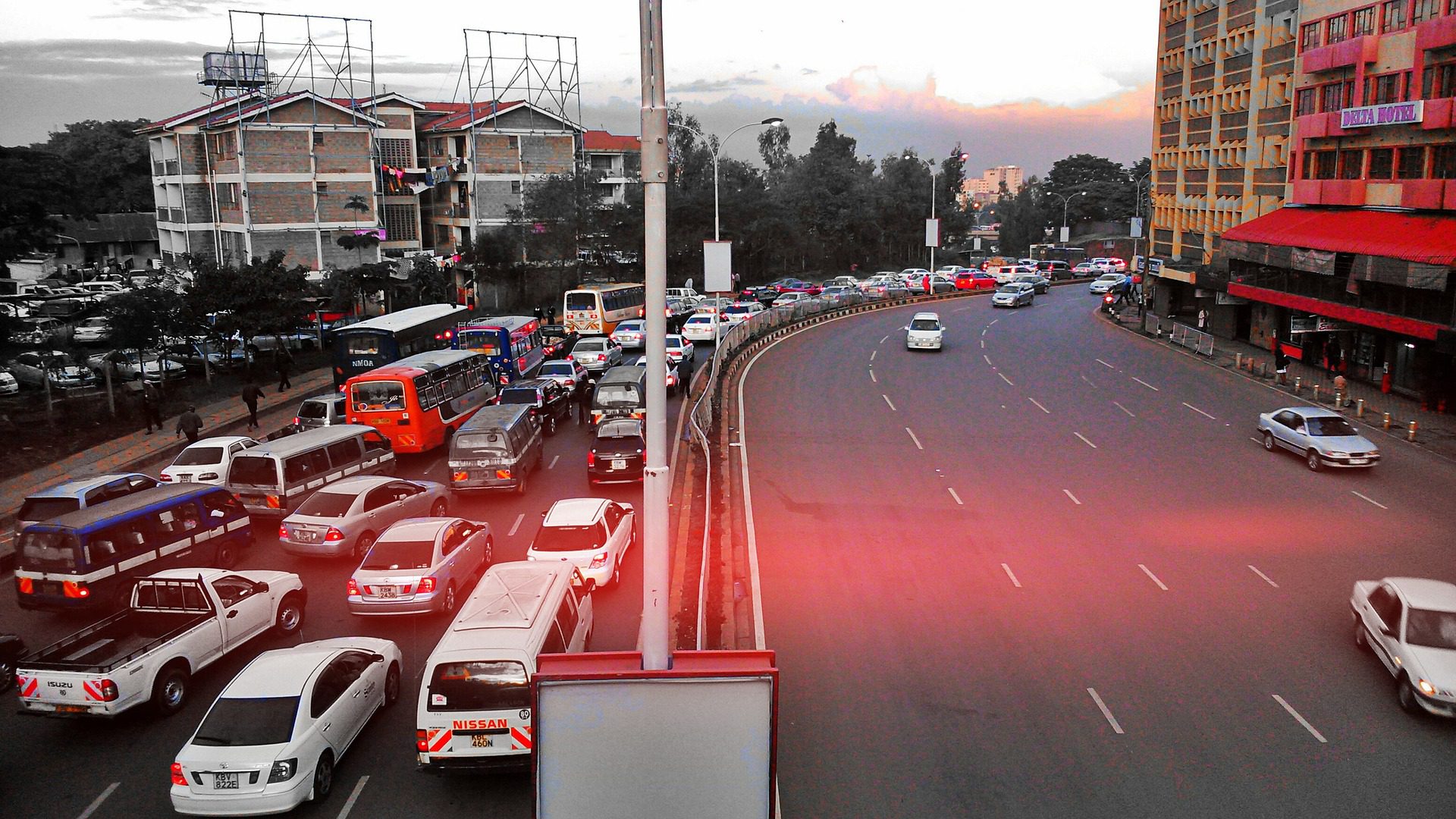
Kenya drives on the left, a system inherited from British colonial administration. The rule remained in place after the country gained independence on December 12, 1963.
Kenya's traffic system follows the same general convention used in several other East African countries, including Tanzania and Uganda. Right-hand-drive vehicles are common on Kenyan roads, reflecting the country's left-hand traffic system.
2. Tanzania
Tanzania follows left-hand traffic. The system was established during the colonial period and continued after Tanganyika gained independence in 1961. Tanganyika united with Zanzibar in 1964 to form the United Republic of Tanzania.
The country retains the left-side rule used in several neighbouring countries. Its traffic system is an example of a colonial-era transport convention that continued after independence.
3. South Africa
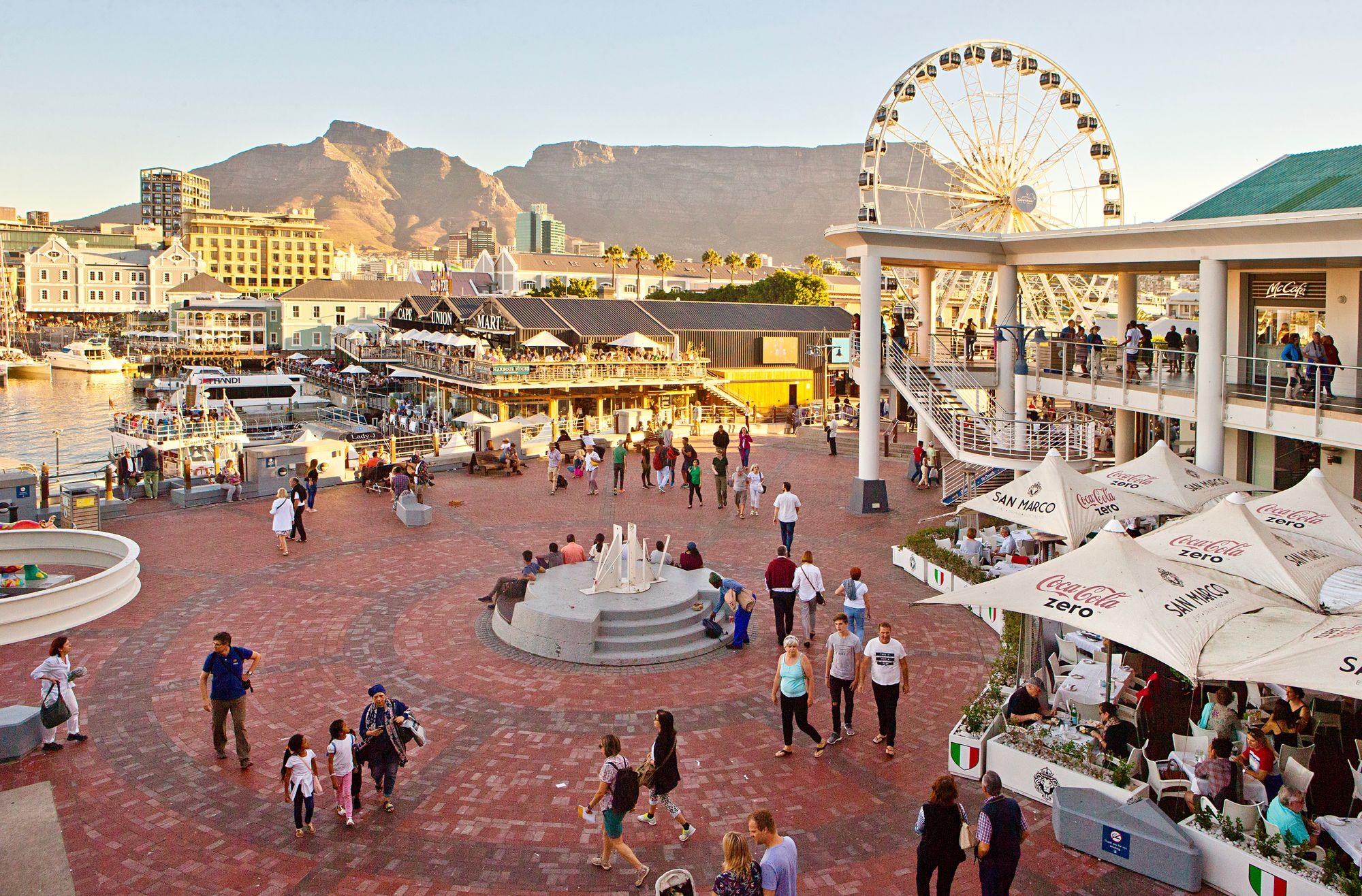
South Africa drives on the left. The convention has historical roots in British rule at the Cape and remained established as the country's road system developed.
South Africa's modern road traffic system continues to use left-hand traffic, including on national highways and urban streets. The country also uses right-hand-drive vehicles as the standard configuration for ordinary passenger cars.
4. Botswana
Botswana follows left-hand traffic, a system retained from its period as the Bechuanaland Protectorate under British administration.
The country became independent on September 30, 1966, and kept the established traffic convention. Botswana remains one of several southern African countries where vehicles travel on the left.
5. Namibia
Namibia drives on the left, a system introduced during the period of South African administration. Following the First World War, South Africa administered the territory formerly known as German South West Africa.
Namibia became independent on March 21, 1990, but retained left-hand traffic. Its system reflects the influence of South African administration rather than a direct inheritance from British colonial government.
6. Zimbabwe
Zimbabwe follows left-hand traffic, a convention maintained from the period when the territory was known as Southern Rhodesia and later Rhodesia.
The country became internationally recognised as independent Zimbabwe on April 18, 1980. Its traffic system remained unchanged after independence, with vehicles continuing to travel on the left side of the road.
7. Zambia
Zambia drives on the left, retaining the traffic system used during British colonial administration when the territory was known as Northern Rhodesia.
The country gained independence on October 24, 1964. Its continued use of left-hand traffic places it among the African countries whose modern road systems preserve this historical convention.
8. Malawi
Malawi follows left-hand traffic, a system inherited from British administration when the territory was known as Nyasaland.
The country became independent on July 6, 1964, and retained the same side-of-the-road rule. Malawi's traffic system is consistent with those of several other countries in eastern and southern Africa.
9. Lesotho
Lesotho drives on the left. The kingdom was formerly known as Basutoland under British protection before gaining independence on October 4, 1966.
Its left-hand traffic system remained in place after independence. Lesotho's road rules are also consistent with those of South Africa, which completely surrounds the kingdom.
10. Mozambique
Mozambique is a notable example because its colonial history differs from that of most African countries that drive on the left. It was administered by Portugal and gained independence on June 25, 1975.
Despite its Portuguese colonial background, Mozambique follows left-hand traffic. Its system is consistent with the traffic convention used across much of southern Africa, including several of its neighbours.
Why Do These African Countries Drive on the Left?
Historical administration explains much of the pattern. British authorities established left-hand traffic in several territories in eastern and southern Africa, and the convention continued after those territories became independent countries.
Regional consistency also matters. Countries with established transport links often retain compatible road rules, although their colonial histories are not always the same. Mozambique demonstrates that left-hand traffic in Africa cannot be explained by British rule alone.
The result is a distinct group of left-driving countries concentrated mainly in eastern and southern Africa, while most of the continent follows right-hand traffic.
Methodology
This is a fact-sheet listicle, not a ranking. The ten countries were selected from the African countries that currently use left-hand traffic. The entries identify each country's traffic rule and provide a relevant historical fact, such as its independence date or administrative background. The selection is illustrative rather than exhaustive; Uganda, Mauritius, Eswatini, Seychelles and other African countries also drive on the left.
African Countries That Drive on the Left
- Botswana
- Eswatini
- Kenya
- Lesotho
- Malawi
- Mauritius
- Mozambique
- Namibia
- Seychelles
- South Africa
- Tanzania
- Uganda
- Zambia
- Zimbabwe
African Countries That Drive on the Right
- Algeria
- Angola
- Benin
- Burkina Faso
- Burundi
- Cabo Verde
- Cameroon
- Central African Republic
- Chad
- Comoros
- Democratic Republic of the Congo
- Republic of the Congo
- Côte d’Ivoire
- Djibouti
- Egypt
- Equatorial Guinea
- Eritrea
- Ethiopia
- Gabon
- The Gambia
- Ghana
- Guinea
- Guinea-Bissau
- Liberia
- Libya
- Madagascar
- Mali
- Mauritania
- Morocco
- Niger
- Nigeria
- Rwanda
- São Tomé and Príncipe
- Senegal
- Sierra Leone
- Somalia
- South Sudan
- Sudan
- Togo
- Tunisia
- Western Sahara