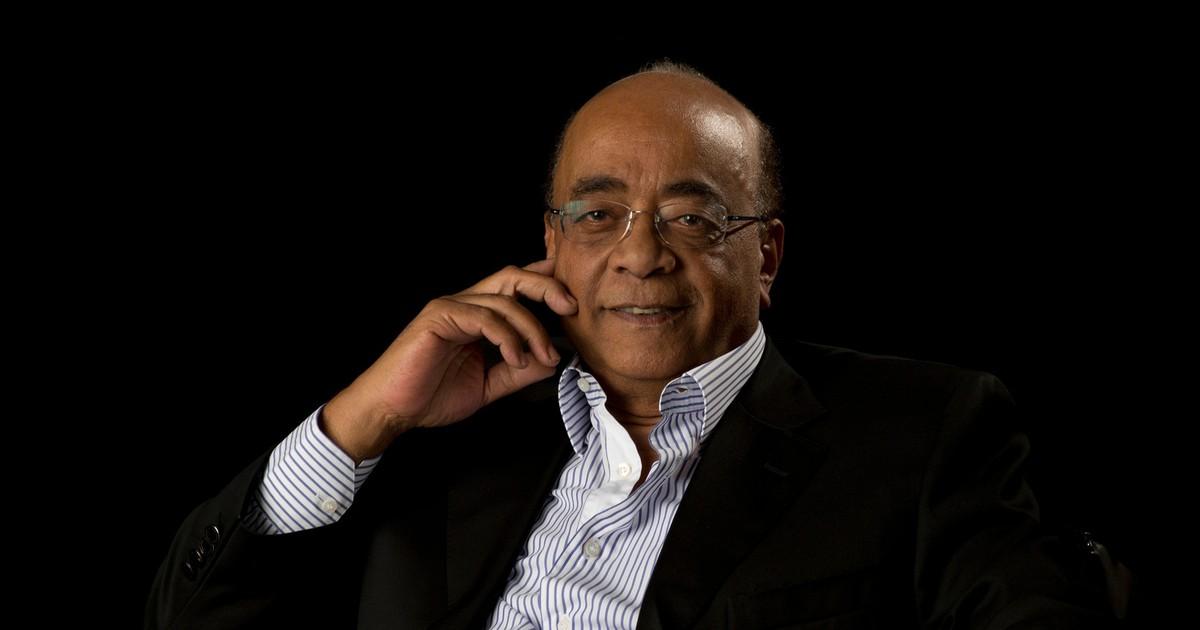

Who Is Mohammed Dewji?
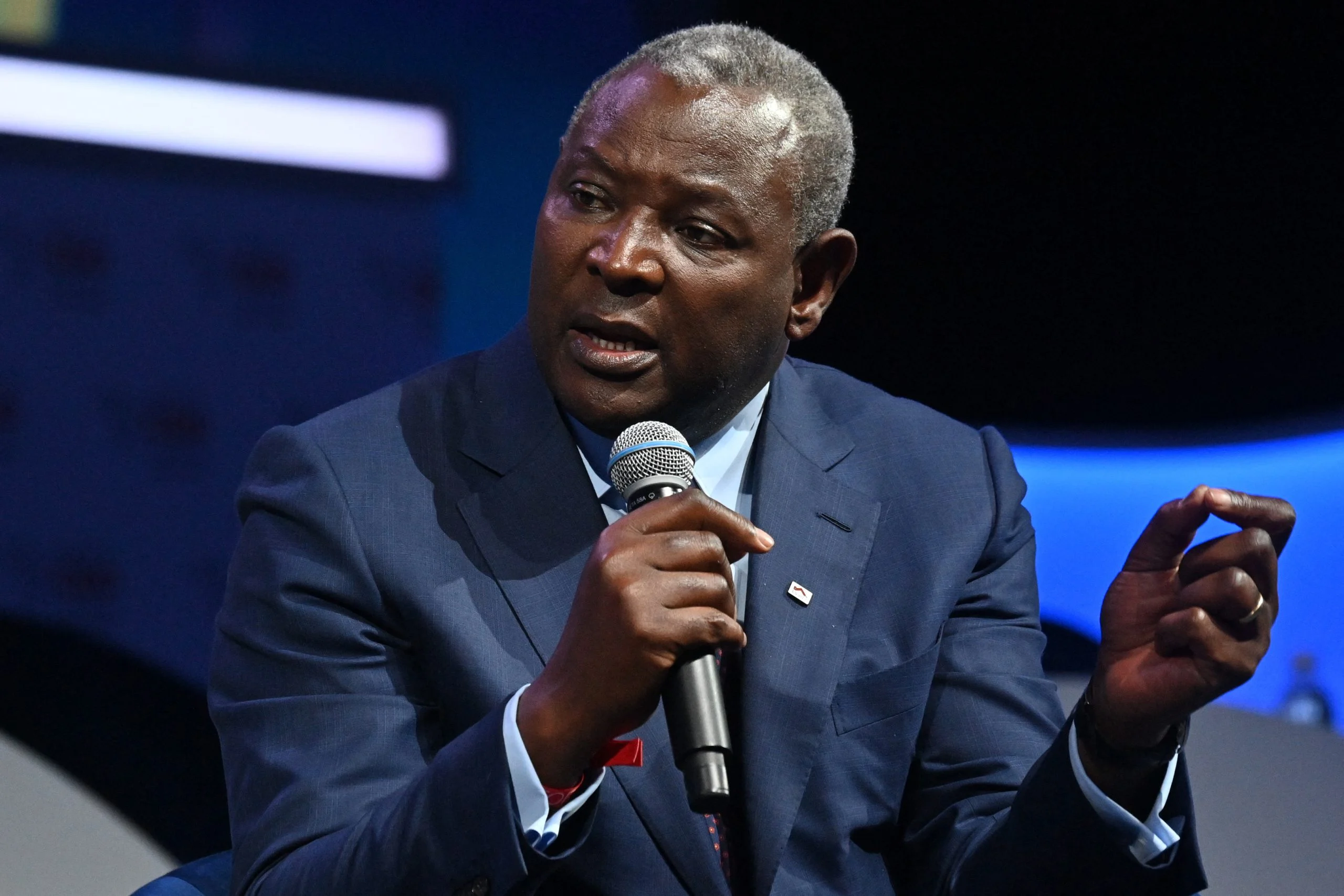
Mohammed Gulam Dewji, widely known as Mo Dewji, is a Tanzanian businessman, entrepreneur and philanthropist born on 8 May 1975 in Singida, Tanzania. He is best known for leading MeTL Group, the family-owned conglomerate founded by his father, and for his investments in manufacturing, agriculture, trade and other industries. He also served as a member of Tanzania’s parliament from 2005 to 2015 and established the Mo Dewji Foundation to support community development.
Dewji’s story combines a family business, international education, political service and a major expansion into industries that supply everyday goods. His public life also drew international attention in October 2018, when he was kidnapped in Dar es Salaam and returned home after ten days.
From Singida to an International Business Career
Dewji grew up in a family involved in commerce. His father, Gulam Dewji, established the business that later became MeTL Group. Rather than starting a company entirely from scratch, Mohammed inherited an existing trading operation and worked to expand it into a diversified business with activities across several African markets.
He attended Georgetown University in Washington, D.C., where he studied finance and international business, with a minor in theology. After completing his degree in 1998, he returned to Tanzania and joined the family enterprise. His work increasingly focused on expanding the business beyond its original trading activities into manufacturing, agriculture, textiles, food processing, logistics and other sectors.
Dewji’s business model placed emphasis on producing and distributing goods locally and regionally. MeTL’s activities have included products such as textiles, edible oils, flour and other consumer goods, alongside agricultural operations and trading. The group’s growth made Dewji one of Tanzania’s most prominent private-sector figures.
AfricaLists: 10 Remarkable Facts About Mohammed Dewji
Each entry highlights a documented milestone in Dewji’s business career, public service or personal history.
1. He was born in Singida, Tanzania
Dewji was born on 8 May 1975 in Singida, a town in central Tanzania. Although his business activities later expanded across borders, Singida remained important to his public identity. He represented the area in parliament and has supported development initiatives connected to the region.
2. He studied finance and international business in the United States
Dewji attended Georgetown University, graduating in 1998. His studies provided a background in finance and international business before he took a leadership role in his family’s company. He then returned to Tanzania rather than building his career exclusively abroad.
3. He expanded his father’s trading business
The family enterprise developed into MeTL Group under Dewji’s leadership. Its activities broadened beyond trading into manufacturing, agriculture, textiles, food and beverages, transport, logistics and other industries. The expansion illustrates how an established trading company became a much larger industrial and commercial group.
4. MeTL became a major employer
MeTL has reported a workforce of more than 34,000 people, with its business operating across several African countries. Published figures vary by year and source, so employment totals should be understood as reported estimates rather than a fixed current count. The scale of its workforce makes the group a significant private-sector employer in Tanzania.
5. The group became economically significant in Tanzania
MeTL has been described by the World Economic Forum and other institutional profiles as contributing approximately 3.3% of Tanzania’s gross domestic product in reported periods. That figure is an attributed estimate, not a measure that should automatically be treated as current for every year. It nevertheless indicates the scale of the conglomerate’s economic footprint.
6. He served in Tanzania’s parliament for ten years
Dewji represented Singida in parliament from 2005 to 2015. His political career placed him in public office during a period when his business interests were also expanding. He left parliament in 2015 and subsequently concentrated on business and philanthropic activities.
7. He established the Mo Dewji Foundation
Founded in 2014, the foundation supports work involving education, healthcare, clean water and community development. Its stated activities include projects in Singida, where Dewji has described seeing communities facing limited access to schools, safe water and healthcare. The foundation connects his public profile with locally focused development initiatives.
8. He joined the Giving Pledge
In 2016, Dewji joined the Giving Pledge, an initiative through which participating wealthy individuals commit to giving away more than half of their wealth during their lifetime or through their estates. He was reported as the first Tanzanian to join. The pledge is a philanthropic commitment, not a public accounting of how much money has already been donated.
9. He was kidnapped in Dar es Salaam in 2018
On 11 October 2018, Dewji was abducted outside a hotel in Dar es Salaam. His disappearance triggered a major search and international news coverage. He returned home safely on 20 October, after ten days in captivity. Reporting at the time said he had been released; he later discussed aspects of his ordeal publicly.
10. He invested in Tanzanian football
Dewji has a 49% stake in Simba Sports Club, one of Tanzania’s best-known football clubs. The investment brought him into another high-profile area of the country’s public life, alongside business and philanthropy. Simba competes in Tanzania’s domestic football system and has also appeared in continental competitions.
Mohammed Dewji’s Business and Public Legacy
Dewji’s career has linked private enterprise with politics, sport and philanthropy. MeTL’s expansion remains the central part of his business story, while his parliamentary service and foundation are significant elements of his public record. His 2018 kidnapping also became one of the most widely reported personal security incidents involving a prominent East African business leader.