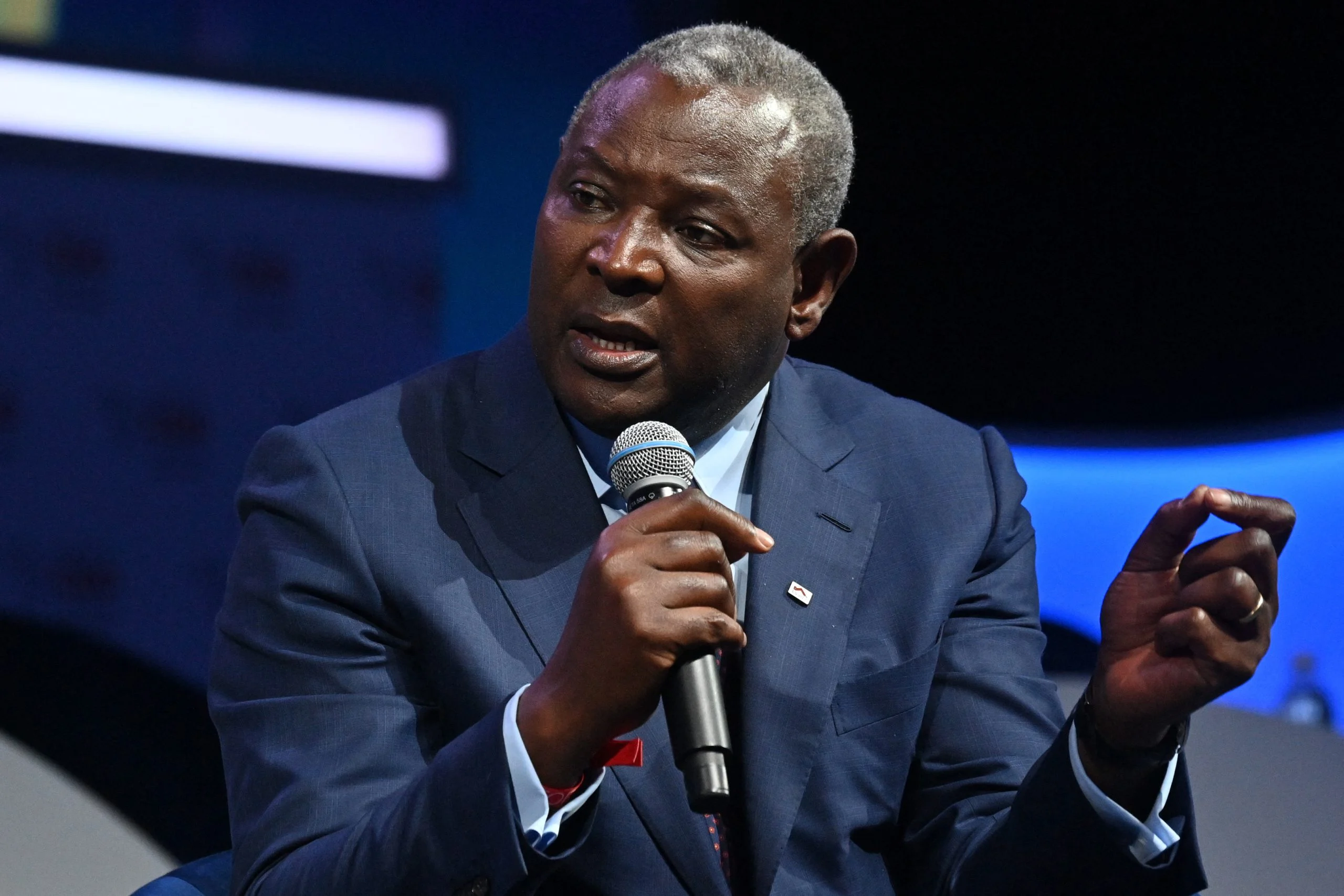
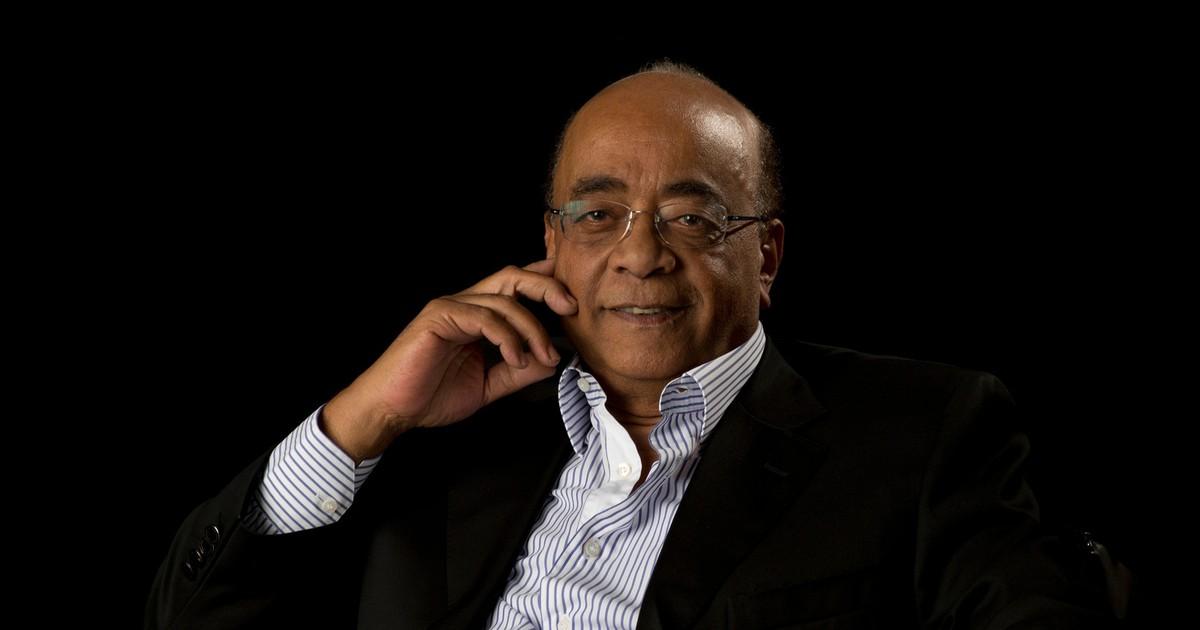
Who Is Mo Ibrahim?
Mohammed Fathi Ahmed Ibrahim, widely known as Mo Ibrahim, is a Sudanese-born British businessman, telecommunications engineer and philanthropist. Born in Sudan in 1946, he developed a career in telecommunications before founding Mobile Systems International (MSI) in 1989 and establishing Celtel International in 1998. Celtel became one of the early mobile operators to build networks across multiple African countries at a time when mobile access remained limited in many markets. In 2005, the company was sold to Kuwait’s Mobile Telecommunications Company in a deal valued at approximately US$3.4 billion. Ibrahim later established the Mo Ibrahim Foundation in 2006 to promote good governance and leadership in Africa.
From Telecommunications Engineering to Entrepreneurship
Ibrahim’s career began with technical training and work in telecommunications. He studied electrical engineering at Alexandria University in Egypt, continued his education in the United Kingdom and earned a doctorate in mobile communications from the University of Birmingham in 1981. His academic and professional background placed him in a field that was undergoing rapid technological change.
He worked for British Telecom and later became technical director at Cellnet, a mobile telecommunications business in the United Kingdom. His experience involved the practical development of cellular networks and the commercial challenges of expanding mobile services.
In 1989, Ibrahim founded Mobile Systems International, a consultancy and software company that designed and supported mobile telecommunications networks. MSI was later acquired by Marconi in 2000. His next major venture was Celtel, founded in 1998, which focused on building mobile networks across African markets.
Top 10 Facts About Mo Ibrahim
1. He Was Born in Sudan
Mo Ibrahim was born in Sudan in 1946 and later built an international career in telecommunications. He became a British citizen and developed business interests that connected Europe with African markets. His Sudanese background remained central to his later public work, which focused on leadership and governance across the continent.
2. He Trained as an Engineer
Ibrahim studied electrical engineering at Alexandria University, then pursued further education in the United Kingdom. He completed a doctorate in mobile communications at the University of Birmingham in 1981. This technical background informed his later work in network design and the development of mobile communications businesses.
3. He Worked in British Telecommunications
Before becoming an entrepreneur, Ibrahim worked at British Telecom and Cellnet. He served as technical director at Cellnet and was involved in launching cellular services in the UK. The experience gave him knowledge of network operations, mobile technology and the commercial demands of expanding telecommunications infrastructure.
4. He Founded Mobile Systems International in 1989
Ibrahim established Mobile Systems International in 1989. The company provided cellular-network consulting and software services to telecommunications operators. MSI grew into an international business and was acquired by Marconi in 2000. This sale preceded Ibrahim’s move into mobile network ownership through Celtel.
5. He Launched Celtel in 1998
Celtel was established in 1998 to operate mobile telephone networks in African markets. At the time, access to mobile phones and reliable telecommunications infrastructure was far less widespread across many African countries than it is today. Celtel pursued licences and built networks in multiple countries, positioning itself as a pan-African operator rather than a business limited to one national market.
6. Celtel Reached More Than 24 Million Subscribers
By the time Celtel was sold in 2005, the company had more than 24 million mobile subscribers across 14 African countries, according to published profiles. It employed approximately 4,000 people, most of them African. The company’s reach demonstrated the commercial potential of mobile communications across markets that had previously been underserved by fixed-line networks.
7. He Sold Celtel in a Deal Worth About US$3.4 Billion
In 2005, Celtel was sold to Kuwait-based Mobile Telecommunications Company, later known as Zain, for approximately US$3.4 billion. The transaction became the defining financial milestone of Ibrahim’s business career. The acquisition also transferred Celtel’s network operations to a larger telecommunications group with international expansion ambitions.
8. He Established the Mo Ibrahim Foundation in 2006
Following Celtel’s sale, Ibrahim established the Mo Ibrahim Foundation in 2006. The organisation focuses on leadership and governance in Africa, including the accountability of political leaders and the performance of public institutions. Its work shifted Ibrahim’s public role from telecommunications entrepreneur towards philanthropy and governance initiatives.
9. He Created the Ibrahim Prize for Achievement in African Leadership
The Mo Ibrahim Foundation introduced the Ibrahim Prize in 2007. It recognises former African heads of state or government who have demonstrated exceptional leadership and left office according to the constitutional terms of their mandates. The prize is associated with a financial award and continuing support for recipients’ public work. It is not awarded automatically every year; the foundation’s committee assesses eligible leaders.
10. He Helped Establish a Major African Governance Index
The foundation developed the Ibrahim Index of African Governance to assess governance performance across African countries using a range of indicators. The index provides data on areas including security, rule of law, participation, human development and economic opportunity. It is used by researchers, civil society groups and policymakers examining governance trends across the continent.
Mo Ibrahim’s Public Record
Ibrahim’s public record spans telecommunications entrepreneurship and philanthropic work focused on African governance. Celtel’s expansion and sale established his reputation as a business figure, while the foundation, Ibrahim Prize and governance index became the central elements of his later public work. In 2020, he also co-founded the Africa Europe Foundation, which works on relations between the two regions. In 2023, he was appointed Knight Commander of the Order of St Michael and St George for services to charity and philanthropy.