Since the Nobel Prizes were first awarded in 1901, Black laureates from Africa, the Caribbean, the United States and other parts of the world have received recognition for achievements in peace, literature and other fields.
American diplomat Ralph Bunche became the first Black Nobel laureate in 1950. South African leader Albert Luthuli followed in 1960, becoming the first Black African to receive the award.
Other recipients include Nigerian writer Wole Soyinka, Kenyan environmentalist Wangari Maathai, South African anti-apartheid leader Nelson Mandela and Liberian peace campaigner Leymah Gbowee.
This list features 15 Black Nobel Prize winners, their countries, award years and the achievements recognized by the Nobel committees.
1. Ralph Bunche – United States (1950)
Ralph Bunche became the first Black person to receive a Nobel Prize when he won the Nobel Peace Prize in 1950.
An American diplomat and political scientist, Bunche played a central role in negotiating the 1949 armistice agreements between Israel and neighboring Arab states.
He worked with the United Nations and later served as Under-Secretary-General for Special Political Affairs. His Nobel award recognized his mediation during the Arab Israeli conflict.
2. Albert Luthuli – South Africa (1960)
Albert John Luthuli received the 1960 Nobel Peace Prize for his nonviolent opposition to apartheid in South Africa.
He served as president-general of the African National Congress from 1952 until his death in 1967.
Luthuli supported campaigns against discriminatory laws and restrictions imposed on Black South Africans. He became the first Black African Nobel laureate.
3. Martin Luther King Jr. – United States (1964)
American civil rights leader Martin Luther King Jr. received the Nobel Peace Prize in 1964 at the age of 35.
He was recognized for his nonviolent struggle against racial segregation and discrimination in the United States.
King played a leading role in the Montgomery bus boycott and the 1963 March on Washington. His work contributed to the wider civil rights movement during the period when the United States passed major civil rights legislation.
4. Desmond Tutu – South Africa (1984)
Anglican cleric Desmond Tutu received the Nobel Peace Prize in 1984 for his nonviolent opposition to apartheid.
Tutu served as general secretary of the South African Council of Churches and later became Archbishop of Cape Town.
After apartheid ended, he chaired South Africa's Truth and Reconciliation Commission, which investigated human rights violations committed during the apartheid era.
5. Wole Soyinka – Nigeria (1986)
Nigerian playwright, poet and novelist Wole Soyinka became the first Black African to win the Nobel Prize in Literature in 1986.
Born in Abeokuta in 1934, Soyinka studied in Nigeria and the United Kingdom before developing a career in theatre and literature.
His works include The Lion and the Jewel, Death and the King's Horseman and Ake: The Years of Childhood.
He also became known for political activism and criticism of authoritarian governments.
6. Derek Walcott – Saint Lucia (1992)
Caribbean poet and playwright Derek Walcott received the Nobel Prize in Literature in 1992.
Born in Saint Lucia in 1930, Walcott wrote poetry and plays that frequently addressed Caribbean history, colonialism, language and identity.
His major works include Omeros, published in 1990, and the play Dream on Monkey Mountain.
Walcott also helped establish the Trinidad Theatre Workshop, contributing to the development of Caribbean theatre.
7. Toni Morrison – United States (1993)
Toni Morrison became the first Black American woman to receive the Nobel Prize in Literature in 1993.
Her novels examined African American history, family relationships, slavery, memory and identity.
Among her best-known books are The Bluest Eye, Song of Solomon and Beloved.
Beloved won the Pulitzer Prize for Fiction in 1988. Morrison also worked as an editor and professor during her literary career.
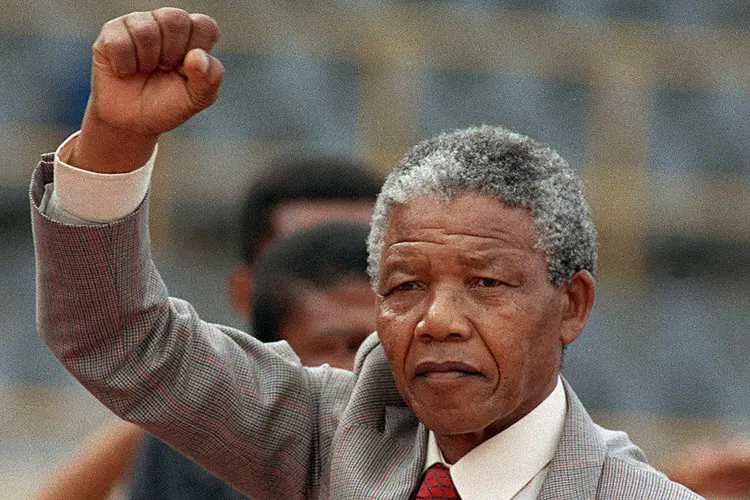
8. Nelson Mandela – South Africa (1993)
Nelson Mandela shared the 1993 Nobel Peace Prize with South African President F. W. de Klerk.
The award recognized their work toward ending apartheid and establishing a democratic political system.
Mandela spent 27 years in prison before his release in February 1990.
In 1994, he became South Africa's first Black president following the country's first national democratic elections based on universal adult suffrage.
9. Kofi Annan – Ghana (2001)
Ghanaian diplomat Kofi Annan shared the 2001 Nobel Peace Prize with the United Nations.
Annan served as the seventh UN Secretary-General from January 1997 to December 2006.
His tenure included work on international peacekeeping, human rights, global development and reform of the United Nations.
He also supported the establishment of the Global Fund to Fight AIDS, Tuberculosis and Malaria.
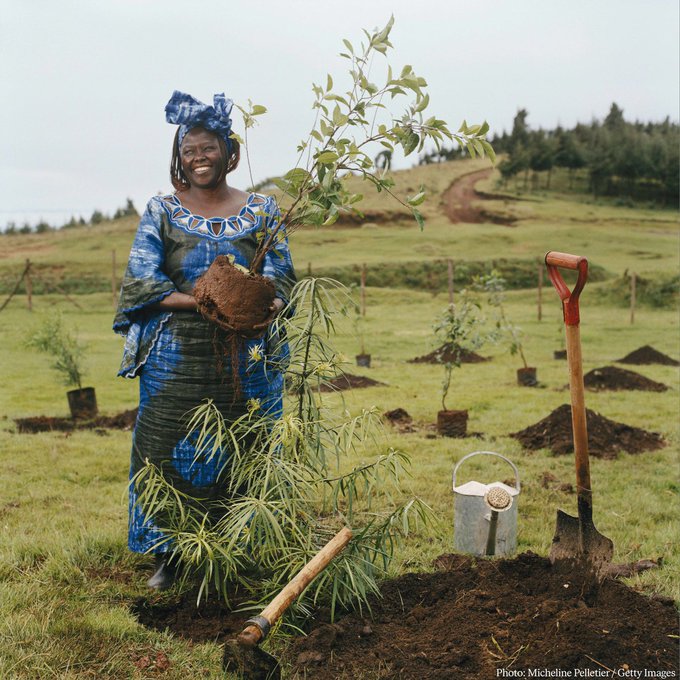
10. Wangari Maathai – Kenya (2004)
Wangari Maathai received the Nobel Peace Prize in 2004, becoming the first African woman to win the award.
She founded Kenya's Green Belt Movement in 1977, mobilizing communities to plant trees and conserve the environment.
Maathai also campaigned for democratic rights and served as a member of Kenya's Parliament.
The Nobel Committee recognized her contributions to sustainable development, democracy and peace.
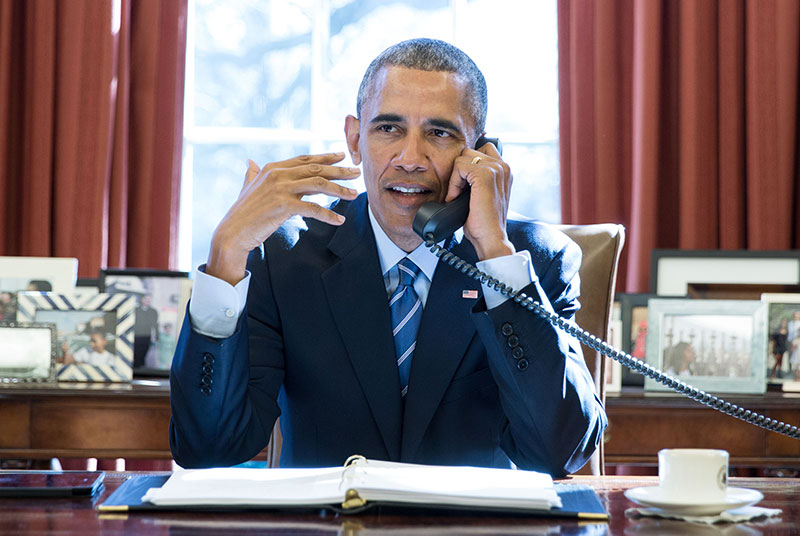
11. Barack Obama – United States (2009)
Barack Obama received the Nobel Peace Prize in 2009, during his first year as president of the United States.
He was the first Black president in American history, taking office in January 2009.
The Nobel Committee recognized his efforts to strengthen international diplomacy and cooperation.
Obama served two presidential terms, from 2009 to 2017.
12. Ellen Johnson Sirleaf – Liberia (2011)
Ellen Johnson Sirleaf shared the 2011 Nobel Peace Prize with Leymah Gbowee and Tawakkol Karman.
She became Liberia's president in January 2006, making her Africa's first democratically elected female head of state.
Her presidency followed years of civil conflict in Liberia.
The Nobel Committee recognized her contributions to peacebuilding, women's rights and Liberia's development after the war.
13. Leymah Gbowee – Liberia (2011)
Liberian peace activist Leymah Gbowee received the 2011 Nobel Peace Prize for her role in mobilizing women during Liberia's civil war.
She helped organize the Women of Liberia Mass Action for Peace movement, which brought Christian and Muslim women together in nonviolent demonstrations.
The campaign pressured political leaders to pursue peace negotiations.
Gbowee later continued her work supporting women's participation in peacebuilding and public leadership.
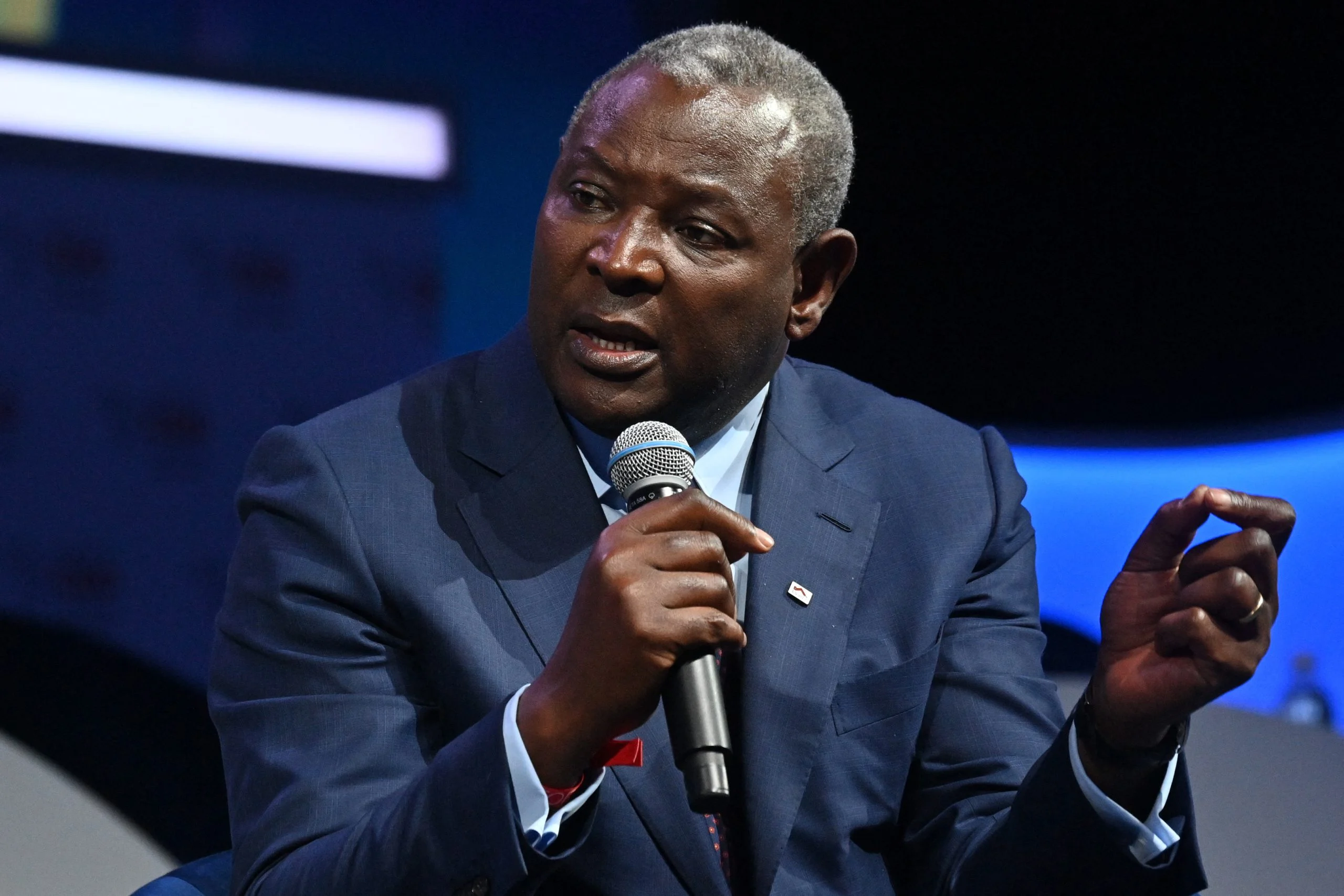
14. Denis Mukwege – Democratic Republic of the Congo (2018)
Congolese physician Denis Mukwege shared the 2018 Nobel Peace Prize with Iraqi human rights activist Nadia Murad.
Mukwege founded Panzi Hospital in Bukavu in 1999.
The hospital became internationally recognized for providing medical care and support to women affected by conflict-related sexual violence.
His Nobel Prize recognized his work supporting survivors and campaigning against the use of sexual violence in armed conflicts.
15. Abdulrazak Gurnah – Tanzania (2021)
Tanzanian-born novelist Abdulrazak Gurnah received the Nobel Prize in Literature in 2021.
Born in Zanzibar in 1948, he moved to the United Kingdom as a young refugee during the political upheaval following the Zanzibar Revolution.
His novels examine displacement, colonialism, migration and the experiences of refugees.
His published works include Paradise, By the Sea and Afterlives. Gurnah also worked as a professor at the University of Kent.
Black Nobel Laureates Across Different Fields
The 15 recipients listed here won awards between 1950 and 2021. Their achievements span diplomacy, civil rights, anti-apartheid campaigns, environmental conservation, literature, medical care and peacebuilding.
The list includes laureates from Ghana, Kenya, Liberia, Nigeria, South Africa, Tanzania, the Democratic Republic of the Congo, Saint Lucia and the United States.