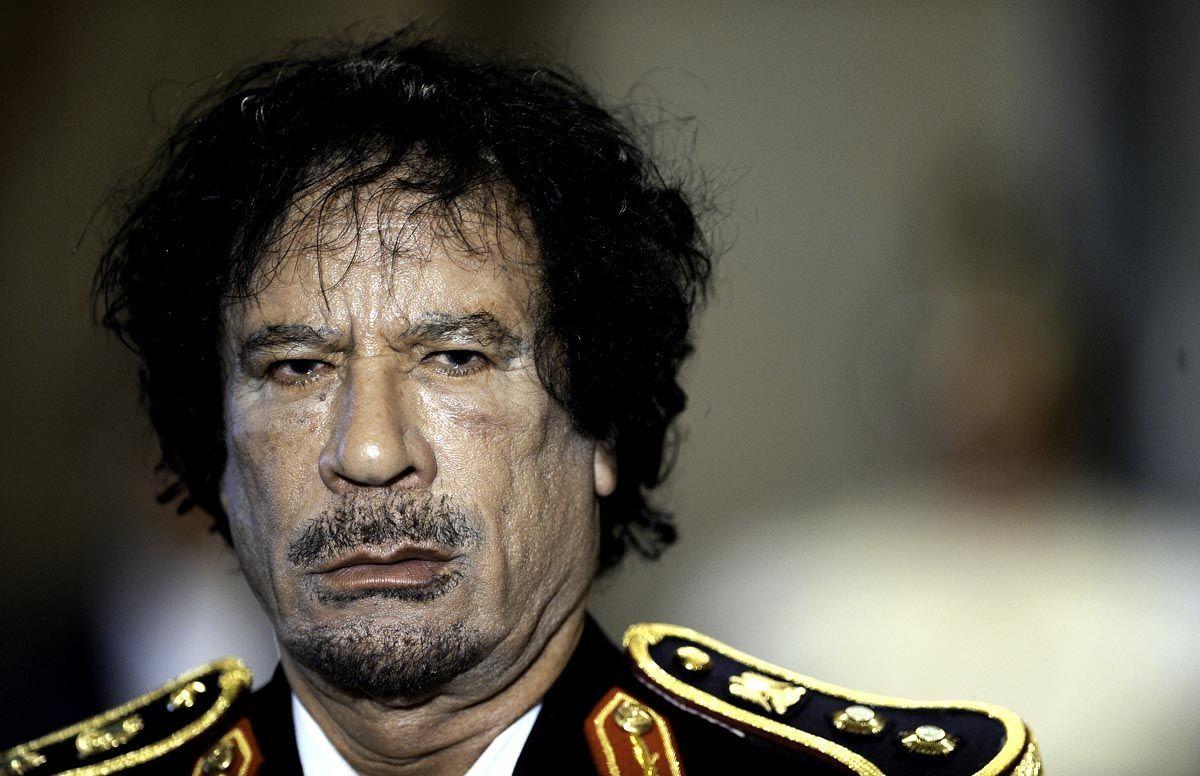
Muammar Gaddafi: The Rise and Fall of Libya's Longtime Ruler
Muammar Gaddafi was one of Africa's most influential and controversial political figures. He ruled Libya for more than four decades, reshaped the country's relationship with its oil wealth, promoted ambitious ideas about African unity and became embroiled in international disputes over terrorism and human rights. His government also faced persistent criticism for suppressing political opposition and concentrating power in the hands of one leader.
Gaddafi's rule ended during the 2011 Libyan uprising, when a rebellion backed by international military intervention brought his government down. His death that October marked the end of an era, but Libya continued to struggle with political division and competing armed groups after his removal.
Born in 1942 near Sirte, Libya, Gaddafi grew up in a Bedouin family and entered military training as a young man. He became a captain in the Libyan army and used his position to help overthrow King Idris I in September 1969. At just 27, he emerged as the leading figure in the new revolutionary government.
His story combines political ambition, oil-funded development, authoritarian rule, international confrontation and a violent end. These ten facts explain the major events that shaped his life and legacy.
10 Defining Facts About Muammar Gaddafi
1. He Seized Power in a Military Coup at 27
On September 1, 1969, Gaddafi and a group of fellow military officers overthrew King Idris I while the monarch was abroad. The coup ended Libya's monarchy and established a revolutionary government.
The new authorities promised to end corruption, strengthen national independence and redirect the country's resources toward Libyans. Gaddafi gradually became the dominant figure in the new political system, remaining Libya's de facto leader until 2011.
2. He Used Libya's Oil Wealth to Transform the Economy
Libya's substantial petroleum reserves provided the financial foundation of Gaddafi's government. The state exercised strong control over the oil industry, allowing it to direct substantial revenues toward public spending and national development.
During his rule, the government funded infrastructure, education, healthcare and housing initiatives. However, oil dependence also left the economy vulnerable to fluctuations in global petroleum markets, while political patronage and weak accountability complicated the distribution of wealth.
3. He Promoted His Own Political Philosophy
In 1975, Gaddafi published The Green Book, presenting his ideas about politics, economics and society. He argued that conventional parliamentary democracy failed to represent ordinary people adequately and promoted a system he described as direct popular government.
In 1977, Libya adopted a political system officially presented as rule by the masses. Despite this language, meaningful opposition remained restricted, and Gaddafi maintained decisive influence over the state. The gap between his stated political ideals and the reality of government became a defining feature of his rule.
4. He Became a Major Voice for Arab Nationalism
Gaddafi admired Egyptian president Gamal Abdel Nasser and initially sought greater unity among Arab countries. He viewed Western influence in the region as an obstacle to political independence and frequently presented Libya as a force for Arab nationalism.
Several proposed mergers with other Arab states failed to develop into lasting political unions. Over time, Gaddafi increasingly promoted African unity as a central part of his international agenda.
5. He Became a Prominent Advocate of African Unity
Gaddafi invested political and financial resources in promoting continental integration. He supported the creation of stronger African institutions and advocated a United States of Africa with greater collective political and economic power.
He played a prominent role in the transformation of the Organisation of African Unity into the African Union, formally launched in 2002. His vision of a unified continental government remained controversial, however, and other African leaders disagreed over how much authority national governments should surrender to a central institution.
6. His Government Faced Serious Human Rights Criticism
Political opponents, activists and international organisations criticised Gaddafi's government for restrictions on freedom of expression, arbitrary detention, torture allegations and the suppression of dissent.
The 1996 killing of prisoners at Abu Salim prison in Tripoli became one of the most significant examples associated with abuses under his government. The lack of independent political institutions and restrictions on scrutiny made it difficult to hold authorities accountable.
These abuses became an important part of the historical record of his rule and contributed to the grievances that surfaced during the 2011 uprising.
7. Libya Became Entangled in International Terrorism Disputes
Gaddafi's government faced international accusations over its support for armed groups and involvement in acts of international terrorism. One of the most consequential cases concerned the 1988 bombing of Pan Am Flight 103 over Lockerbie, Scotland, which killed 270 people.
In 2003, Libya formally accepted responsibility for the actions of its officials in connection with the Lockerbie bombing and agreed to compensation arrangements. International sanctions and years of diplomatic isolation had placed substantial pressure on the government before relations gradually improved.
8. He Re-established Relations With Western Governments
During the late 1990s and early 2000s, Libya began restoring diplomatic relations with Western countries. Its cooperation over the Lockerbie case, steps concerning its weapons programmes and efforts to end international isolation contributed to this change.
Western leaders subsequently engaged with Gaddafi's government, and Libya's oil industry remained important to international energy markets. The renewed relationships did not erase the record of domestic repression, and the later conflict exposed how fragile the diplomatic rapprochement had been.
9. The 2011 Uprising Ended His Government
Protests against Gaddafi began in February 2011 amid the wider Arab Spring. Security forces responded with violence, and the unrest developed into an armed conflict between government forces and opposition groups.
The United Nations Security Council authorised measures to protect civilians, and NATO conducted a military intervention that significantly affected the course of the conflict. Opposition forces eventually captured Tripoli, forcing Gaddafi's government from power.
His removal created a major political turning point, but rival armed groups and competing authorities subsequently made it difficult to establish a stable national government.
10. He Was Killed Near Sirte in October 2011
Gaddafi was captured and killed near his hometown of Sirte on October 20, 2011, as opposition forces took control of the area. His death ended more than 40 years of personal rule.
The circumstances of his capture and killing generated questions about accountability and the treatment of detainees during the conflict. His removal did not resolve Libya's institutional problems, and the country continued to experience divisions over political authority, security and control of oil revenues.
Muammar Gaddafi’s Legacy
Gaddafi’s legacy remains divided. His government funded public services and promoted African unity, while its authoritarian political system, human rights abuses and international confrontations left a damaging record. His rise and fall remain central to understanding modern Libyan history and the challenges the country faced after the collapse of his government.