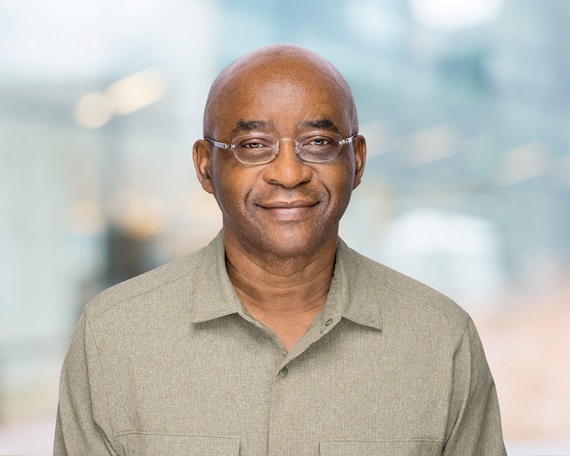
Who Is Strive Masiyiwa?
Strive Tanyaradzwa Masiyiwa is a Zimbabwean telecommunications entrepreneur, investor and philanthropist born on 29 January 1961 in what is now Zimbabwe. He is the founder and executive chairman of Econet Group and Cassava Technologies, businesses involved in telecommunications, fibre-optic networks, data centres, cloud computing and digital services. Masiyiwa studied electrical and electronic engineering at the University of Wales, graduating from the institution now known as Cardiff University. He returned to Zimbabwe in 1984 after the country gained independence and established his first business in 1986. He later became internationally known for a lengthy legal dispute over his attempt to establish a private mobile network in Zimbabwe. His business interests now extend across multiple continents, while his family foundations support education, health and other development programmes in Africa.
From Engineering to Entrepreneurship
Masiyiwa began his career as a telecommunications engineer after returning to Zimbabwe. His technical training gave him direct experience with the systems that carried telephone communications, but he eventually moved from engineering employment into business ownership.
In 1986, he established an electrical engineering company. His ambitions grew as he recognised the potential for mobile telecommunications in a country where telephone services were largely controlled by established operators. Establishing a private mobile network, however, required permission from authorities who resisted the entry of a new competitor.
The dispute developed into a legal battle lasting approximately five years. Masiyiwa challenged the restrictions through Zimbabwe’s courts, arguing for the right to operate a private telecommunications business. The courts ultimately ruled in his favour, clearing a path for Econet Wireless Zimbabwe.
The case became one of the defining episodes of his career because it preceded the launch of a company that would become the foundation of a much wider international business portfolio.
Top 10 Facts About Strive Masiyiwa
1. He Spent His Childhood Between Zimbabwe and Zambia
Masiyiwa was born in Zimbabwe in 1961, but his family moved to Zambia when he was a child. He later travelled to Scotland for his education before attending university in Wales. After graduating, he worked in Britain and returned to Zimbabwe in 1984, following independence. These early moves preceded a career that eventually took his businesses into markets across Africa, Europe, Asia and the Americas.
2. He Graduated in Electrical and Electronic Engineering
Masiyiwa studied electrical and electronic engineering at Cardiff University, then known as the University of Wales institution where he completed his degree. His technical education became relevant to his first business ventures and later telecommunications investments. Before establishing Econet, he worked as a telecommunications engineer in Zimbabwe, giving him experience in the industry he would later challenge as an entrepreneur.
3. He Established His First Business in 1986
In 1986, Masiyiwa launched an electrical engineering business in Zimbabwe. It marked the beginning of his transition from professional engineering to entrepreneurship. His early work was connected to the technical services he already understood, but his longer-term ambition was to establish a privately operated mobile telecommunications network.
4. His Mobile Licence Dispute Lasted About Five Years
Masiyiwa’s effort to establish a private mobile network met resistance from Zimbabwe’s authorities, which opposed competition with the existing telecommunications system. He pursued the matter through the courts for approximately five years. The legal outcome allowed Econet to proceed, making the dispute an important part of Zimbabwe’s telecommunications history. It also delayed the commercial launch of the business while the question of market entry was contested.
5. Econet Wireless Zimbabwe Launched in 1998
Econet Wireless Zimbabwe began commercial operations in 1998. It introduced a private mobile operator into a market where access to telecommunications had been limited. The company became the starting point for Masiyiwa’s wider business interests in connectivity and digital services.
Econet’s development was not simply about selling mobile phones or airtime. Mobile networks required towers, transmission links, switching systems, licences and continuing investment in infrastructure. As demand for mobile communication expanded, the business operated within an industry that became increasingly important to banking, commerce and personal communication in Zimbabwe.
6. He Helped Establish Mobile Businesses Beyond Zimbabwe
Masiyiwa’s investments extended into other markets, including Botswana and Nigeria. Mascom Wireless Botswana became one of the businesses associated with his wider entrepreneurial portfolio. Econet also established a Nigerian mobile operation that was later acquired by Bharti Airtel and became part of Airtel Nigeria.
His international investments were not confined to Africa. His business biography also records investments connected to New Zealand, Canada, Israel, Europe and the United States. These ventures established a business portfolio spanning telecommunications, technology and related services rather than one national mobile network.
7. Liquid Intelligent Technologies Expanded His Reach Into Fibre Networks
Masiyiwa’s business interests grew beyond conventional mobile services into fibre-optic infrastructure through Liquid Intelligent Technologies. Fibre networks carry large volumes of digital information and provide connectivity for mobile operators, businesses, governments and internet service providers.
Cassava Technologies describes its infrastructure as including more than 100,000 kilometres of fibre network. Liquid’s wider business has also developed cloud and cybersecurity services. These operations reflect the growing importance of data transmission and enterprise technology alongside mobile voice and internet services.
8. Cassava Technologies Brought Several Digital Businesses Together
Cassava Technologies brings together businesses in areas including Liquid Intelligent Technologies, Africa Data Centres, Sasai Fintech, Cassava AI and Liquid C2 cloud and cybersecurity services. The group’s activities extend across digital infrastructure, financial technology and computing services.
Africa Data Centres operates facilities designed to house computer servers and related equipment used by companies and digital service providers. Cloud computing enables organisations to access computing resources over networks, while cybersecurity services focus on protecting systems and data. The group’s structure reflects Masiyiwa’s expansion from mobile telecommunications into the infrastructure supporting the wider digital economy.
9. He Coordinated African Vaccine Procurement During COVID-19
In May 2020, the African Union appointed Masiyiwa as a special envoy to help coordinate private-sector efforts to obtain medical supplies and support the continent’s COVID-19 response. He also headed the Africa Vaccine Acquisition Task Team, which worked to secure vaccine supplies for African countries.
The initiative operated during a period when governments around the world were competing for limited vaccine supplies. Its work focused on collective procurement and improving African countries’ access to doses. Masiyiwa had previously participated in private-sector efforts connected to the Ebola outbreak in West Africa in 2014–2015.
10. His Foundations Have Supported Hundreds of Thousands of Scholarships
Masiyiwa and his wife, Tsitsi Masiyiwa, co-founded the organisation that became the Higherlife Foundation in 1996. Its programmes have supported the education of orphaned, vulnerable and gifted young people across several African countries. Their philanthropic work later expanded through Delta Philanthropies.
Cassava Technologies’ published biography reports that the family foundations have supported more than 400,000 scholarships. Their activities also include health programmes, rural development, disaster response and youth support. The foundations are managed by Tsitsi Masiyiwa and their eldest daughter, Elizabeth Tanya.
International Roles and Recognition
Masiyiwa’s work has also extended into international institutions. He serves on the boards of Netflix, the Bill & Melinda Gates Foundation and the National Geographic Society, according to their published leadership biographies. He previously served on the board of trustees of the Rockefeller Foundation for 15 years and chaired the Alliance for a Green Revolution in Africa after Kofi Annan.
His recognitions include the Norman Borlaug Medallion in 2019 for his work supporting African agriculture, election as an international honorary member of the American Academy of Arts and Sciences in 2023, and Harvard University’s W. E. B. Du Bois Medal in 2024. In 2025, Time included him on its list of the 100 most influential people in artificial intelligence.
Strive Masiyiwa’s Public Record
Masiyiwa’s documented career spans engineering, a landmark telecommunications licensing dispute, mobile network development, fibre infrastructure, data centres and digital services. His philanthropic record includes education scholarships and public-health initiatives, while his international roles have connected him with major technology, charitable and development institutions. His rise from a Zimbabwean engineering entrepreneur to a global investor is closely associated with the expansion of African telecommunications and digital infrastructure.